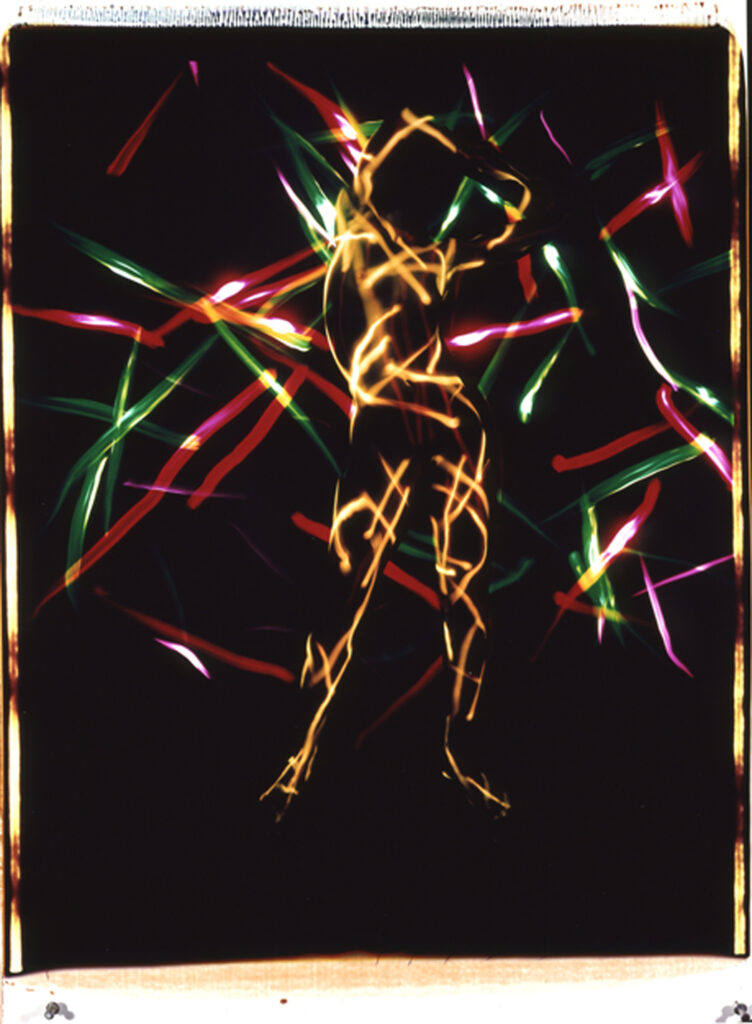
Ron Cooper
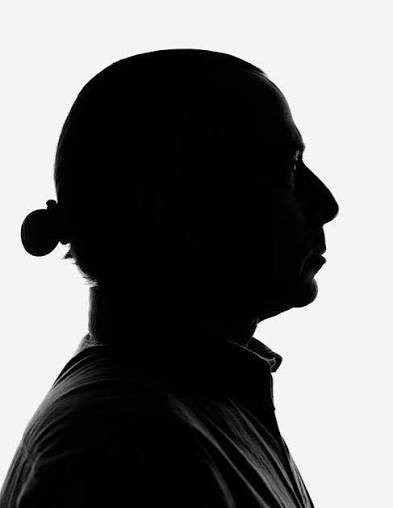
Ron Cooper is an American artist and pioneering figure of Southern California’s Light and Space movement whose work has explored light, color, transparency, reflection, and perception for more than six decades. Working with resin, Plexiglas, glass, fluorescent light, and other industrial materials, Cooper creates objects and environments in which light itself becomes a primary material.
Born in New York City in 1943 and raised in Ojai, California, Cooper studied at the Chouinard Art Institute in Los Angeles from 1963 to 1965. There he became part of a generation of artists—including Larry Bell, Ken Price, and others—whose work emerged from the distinctive cultural and industrial landscape of Southern California. Drawing upon materials and technologies associated with automobiles, aerospace, plastics, and commercial fabrication, these artists pushed beyond conventional painting and sculpture toward direct investigations of sensory experience.
By the late 1960s, Cooper had developed two bodies of work that would become central to his practice: his Vertical Bars and Light Traps. The Vertical Bars used tall Plexiglas forms and translucent pigments to produce shifting fields of color, while the Light Traps were shallow resin constructions designed to capture and transform the ambient light surrounding them. Rather than simply reflecting light, the works appear to hold it within their surfaces, producing an iridescent and often elusive visual experience. LACMA acquired one of Cooper’s large resin Light Traps through its Contemporary Art Council New Talent Purchase Award, and by the early 1970s his work had entered major collections, including the Solomon R. Guggenheim Museum and the Los Angeles County Museum of Art.
Cooper continued to push these investigations beyond the object itself. In works incorporating fluorescent fixtures, glass partitions, projections, and intersecting beams of light, the surrounding room becomes part of the artwork. His Separator Variations, Corner Volumes, and related installations manipulate the viewer’s perception of color and space, allowing different wavelengths of light to overlap, mix, disappear, and reappear.
Taos became an important second chapter in Cooper’s life and practice. After his formative years within the experimental art community of Southern California, he established himself in Taos, working from the historic Ranchos Trading Post building and eventually creating a larger studio and facility in Ranchos de Taos. The move placed Cooper within another remarkable community of artists while allowing him the independence and physical space to continue experimenting outside the conventional centers of the art world. Like his longtime friend and fellow Light and Space artist Larry Bell, Cooper became part of a generation that connected the radical experimentation of 1960s Los Angeles with the evolving contemporary art history of Taos.
Taos also became the launching point for one of Cooper’s most creative endeavors. During travels in Oaxaca, Mexico, he developed close relationships with traditional mezcal-producing families and, in the 1990s, founded Del Maguey Single Village Mezcal. Cooper approached mezcal much as he approached art: through curiosity, direct experience, collaboration, and respect for material and process. His efforts helped introduce traditional village-produced mezcal to an international audience while highlighting the individual makers and communities behind it. In 2016, Cooper received the James Beard Foundation Award for Outstanding Wine, Beer or Spirits Professional—an unusual distinction for an artist, but one that reflects the expansive nature of his creative life.
Cooper continues to live and work in Ranchos de Taos, where his presence has become part of the region’s contemporary artistic legacy. His work remains deeply connected to questions first explored more than half a century ago: how light changes space, how color alters perception, and how an artwork can transform the experience of the person encountering it.
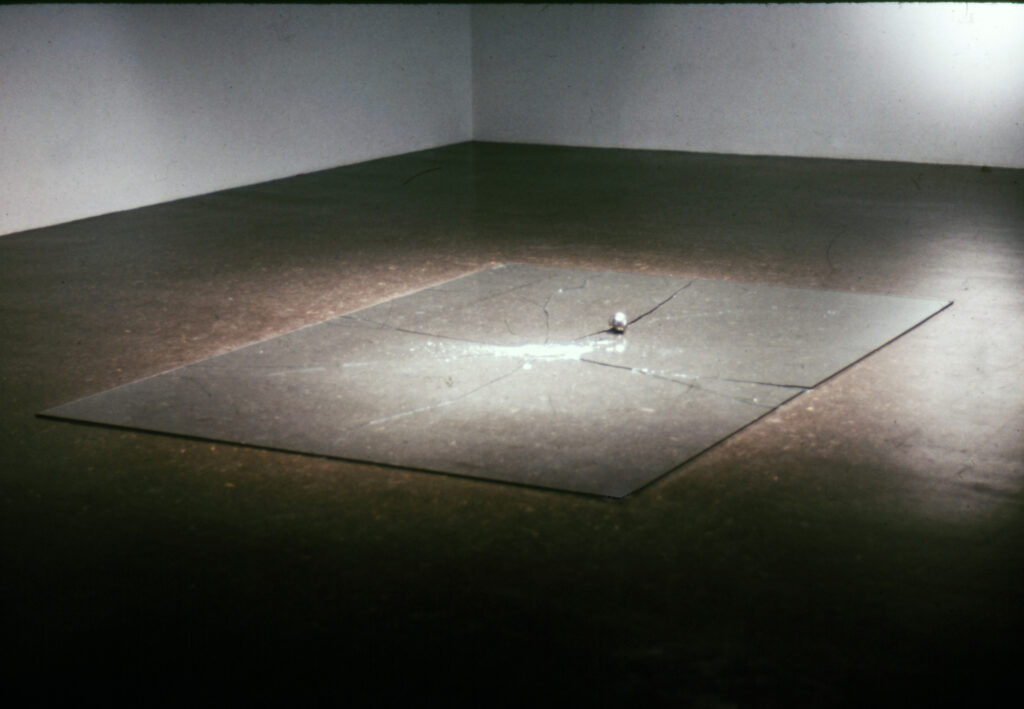
Ron Cooper 2. King City,1969, Pomona
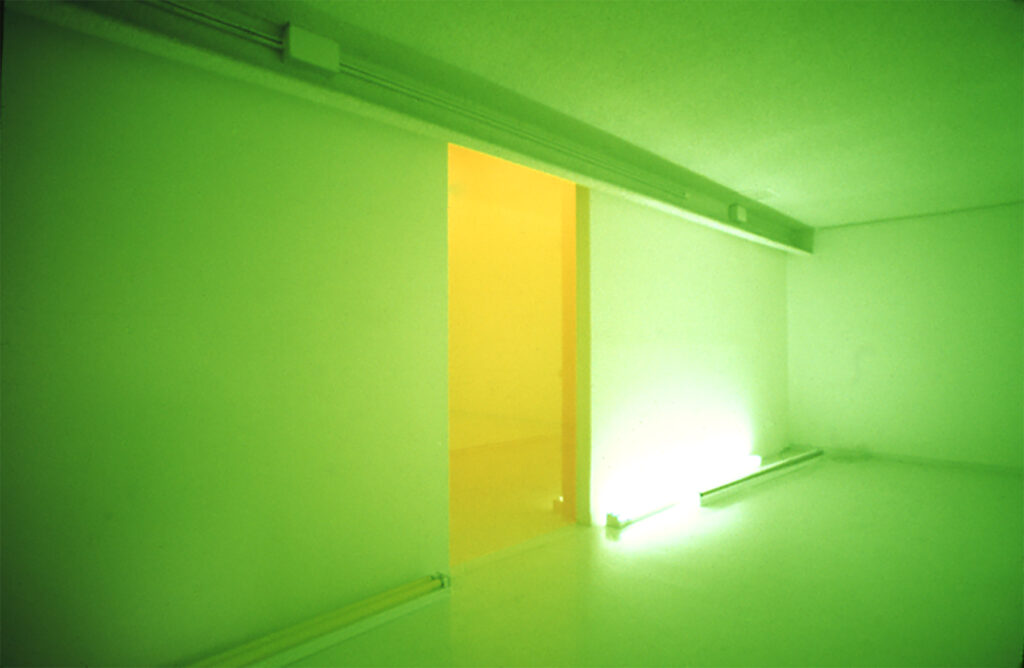
Ron Cooper 3.-Sealed-Vol-Ace_71
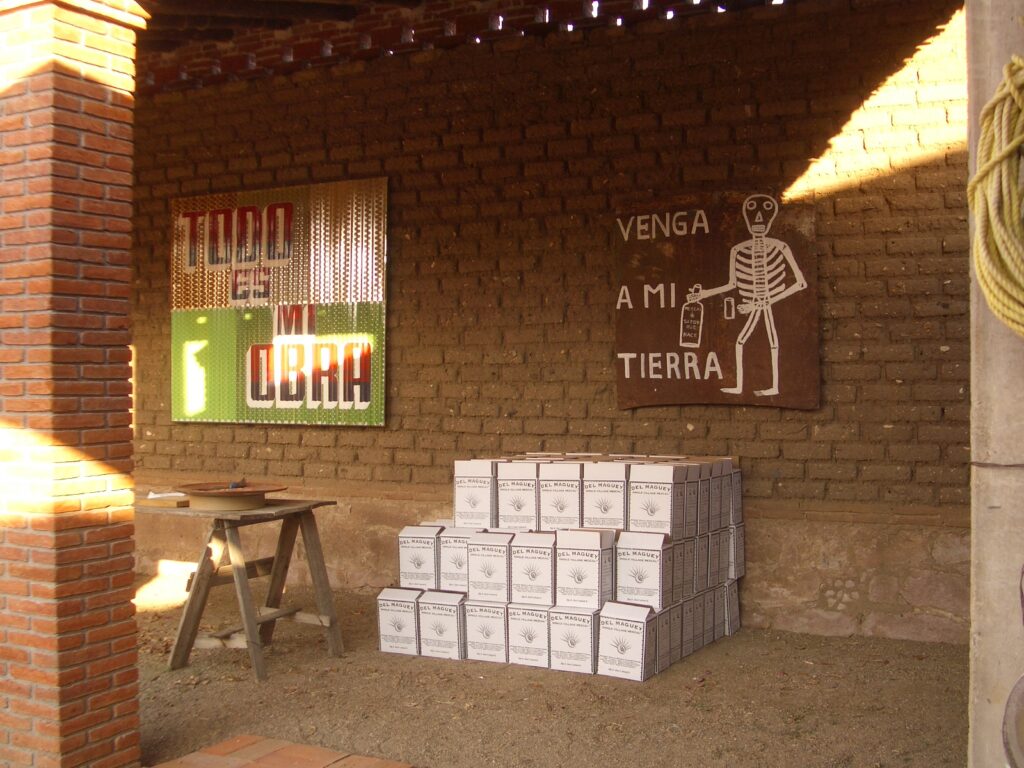
Ron Cooper 8. View of corredor studio
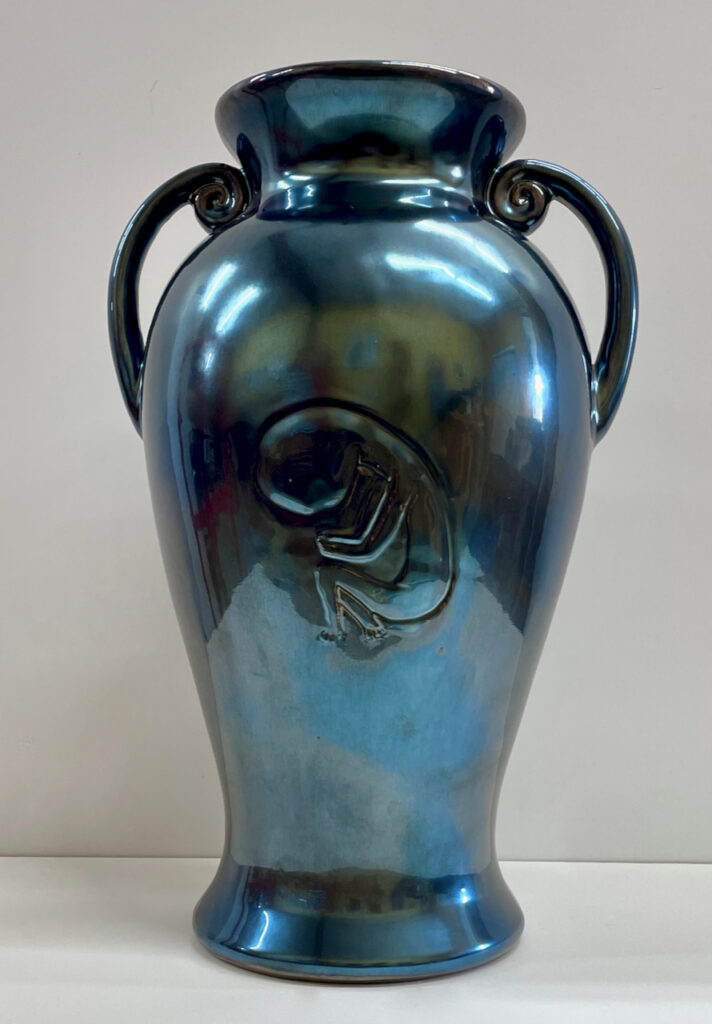
Ron Cooper 1.-TheBeginningTheEndAndEverythingInBetween_Blue_AP_fetus
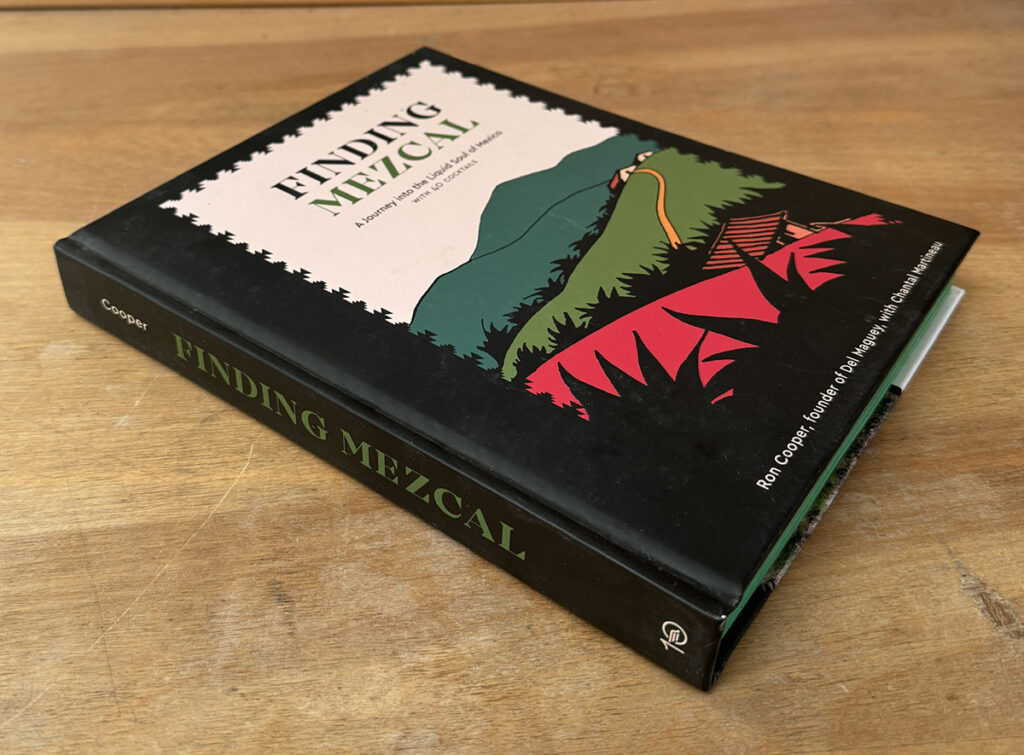
Ron Cooper 14. Book-finding mezcal
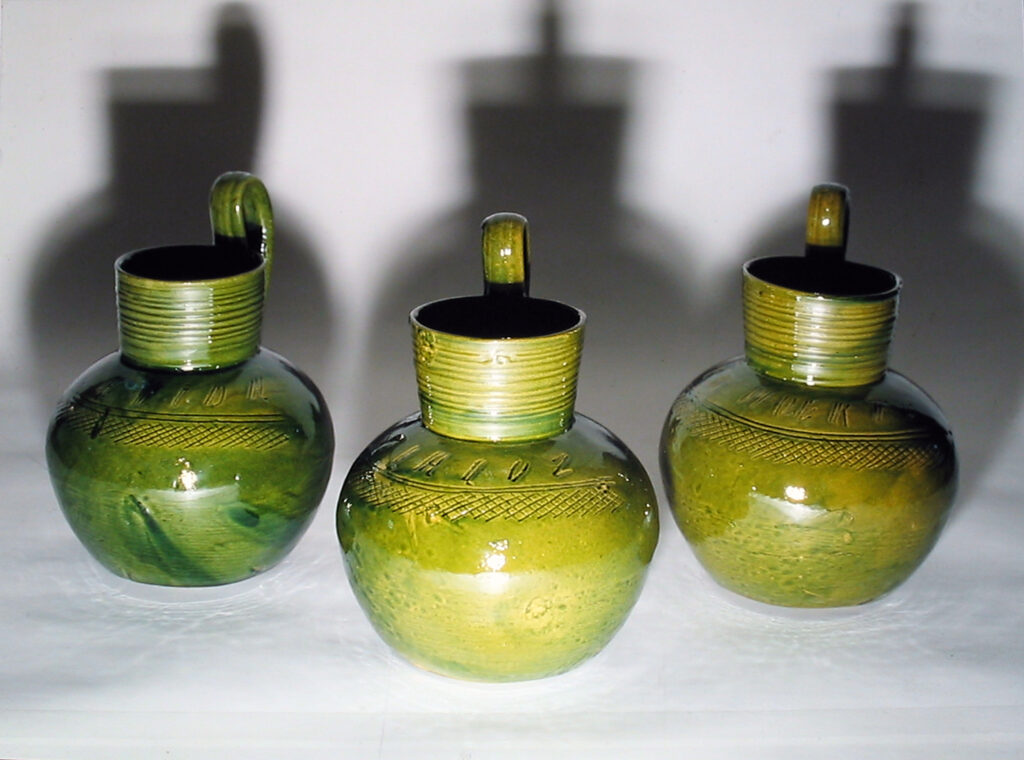
Ron Cooper 2.-la-Vida,-la-Luz,-la-Muerte
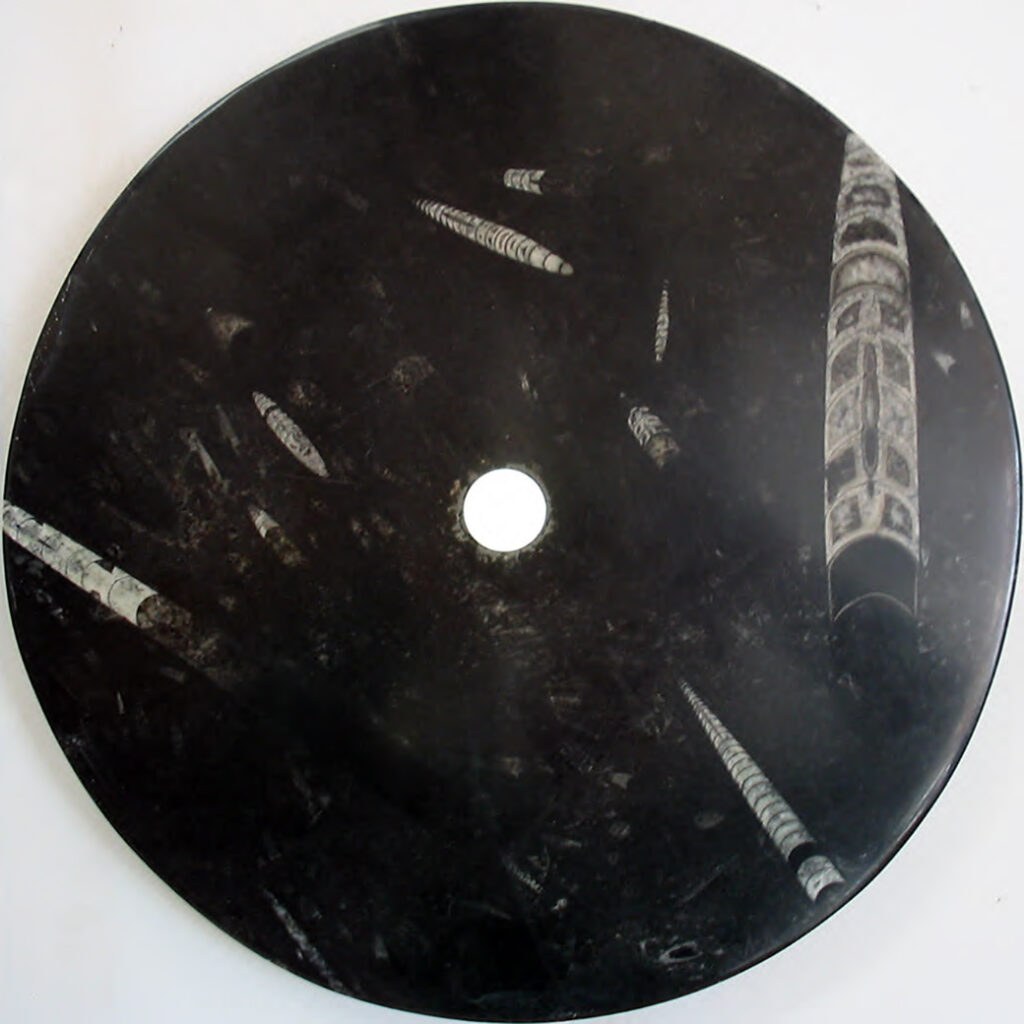
Ron Cooper 18.-260-Million-year-old-void
Ron Cooper Weiss install
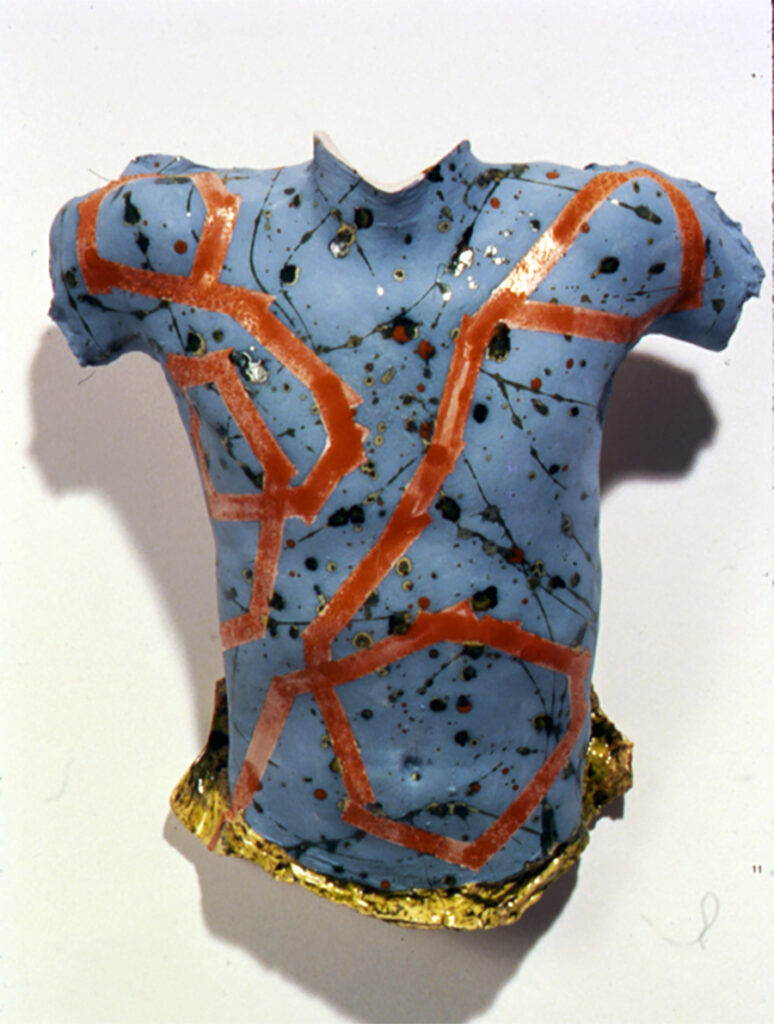
Ron Cooper 2.-CeramicTorsos_JacksonPaintingNaked_SaxePatterson-1984
Ron Cooper 5. Enhanced Female torso
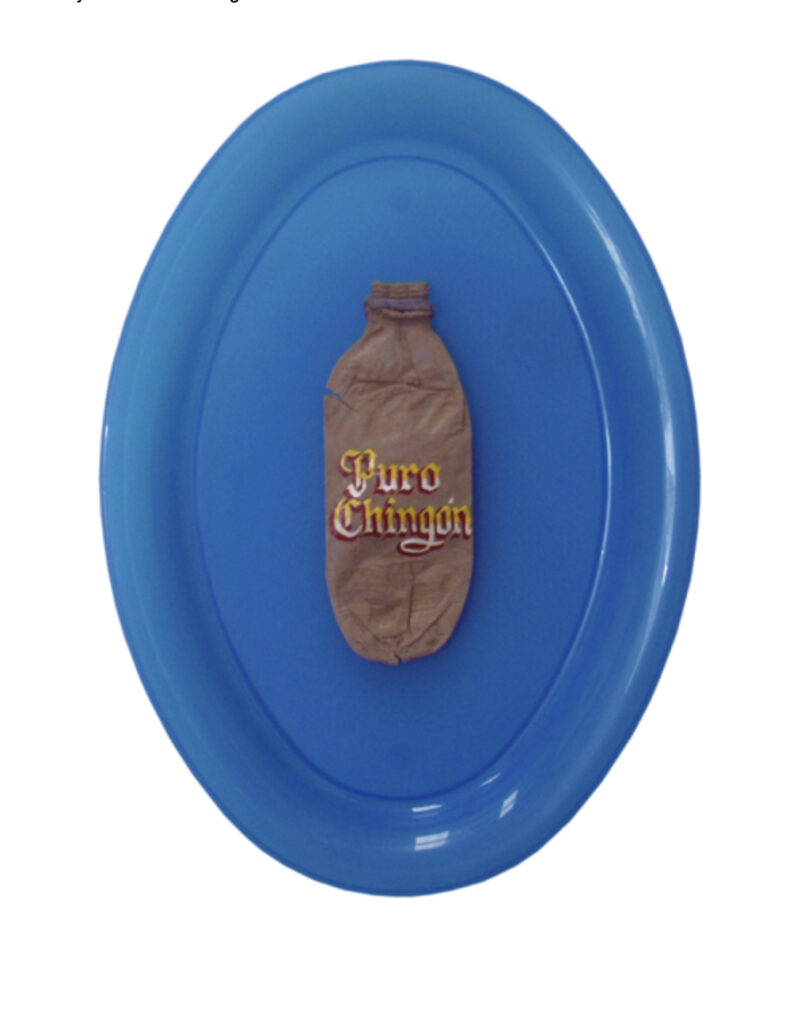
Ron Cooper Puro Chingon
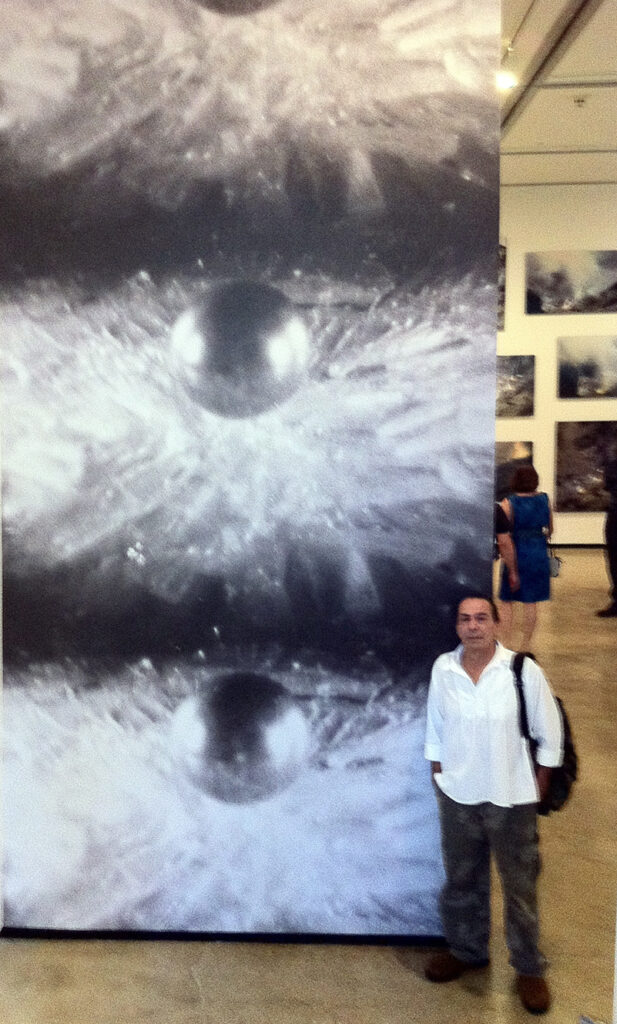
Ron Cooper 3. Installation photo pomona 2021
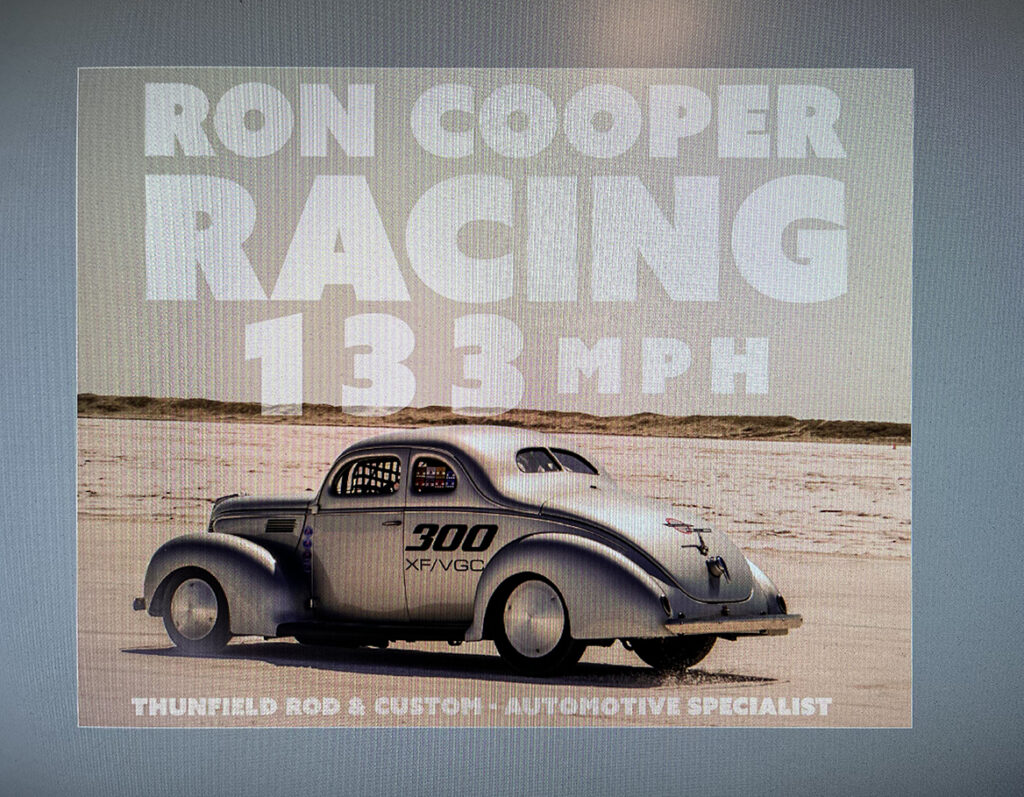
Ron Cooper 3. Hop Up Magazine 2024
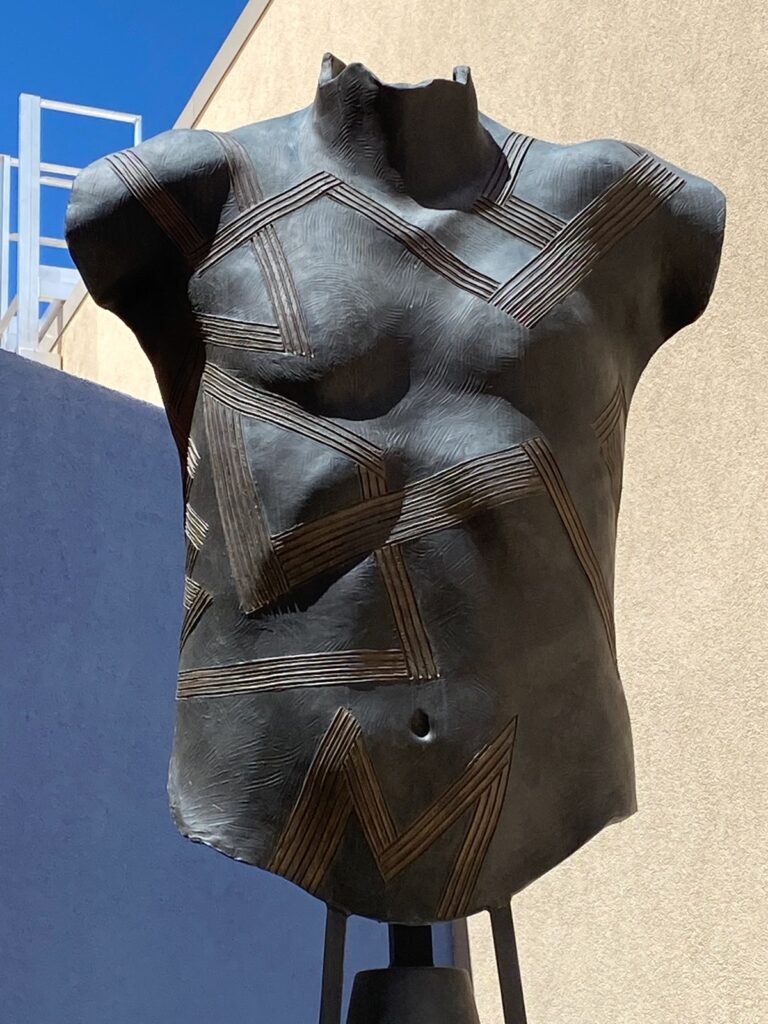
Ron Cooper 10. Albuquerque Torso 2
Ron Cooper 2.-TheBeginningTheEndAndEverythingInBetween_Blue_AP_death
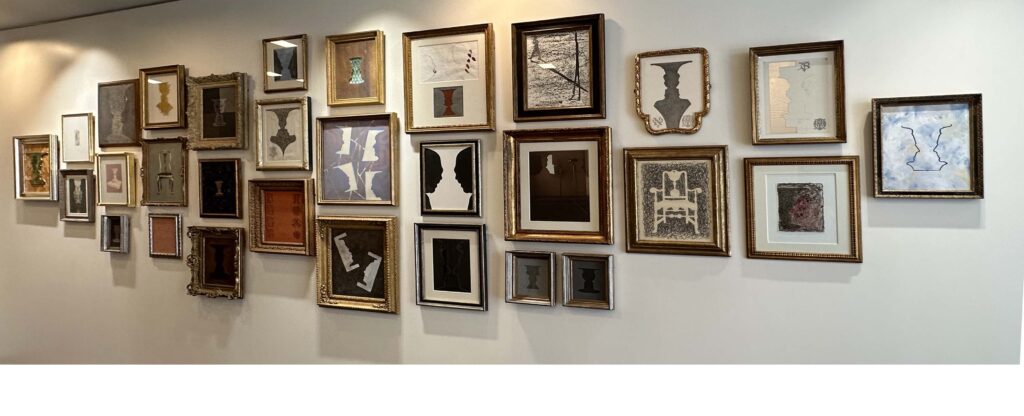
Ron Cooper 2. CooperR_PortraitsOf48CaliforniaArtists_drawingProject
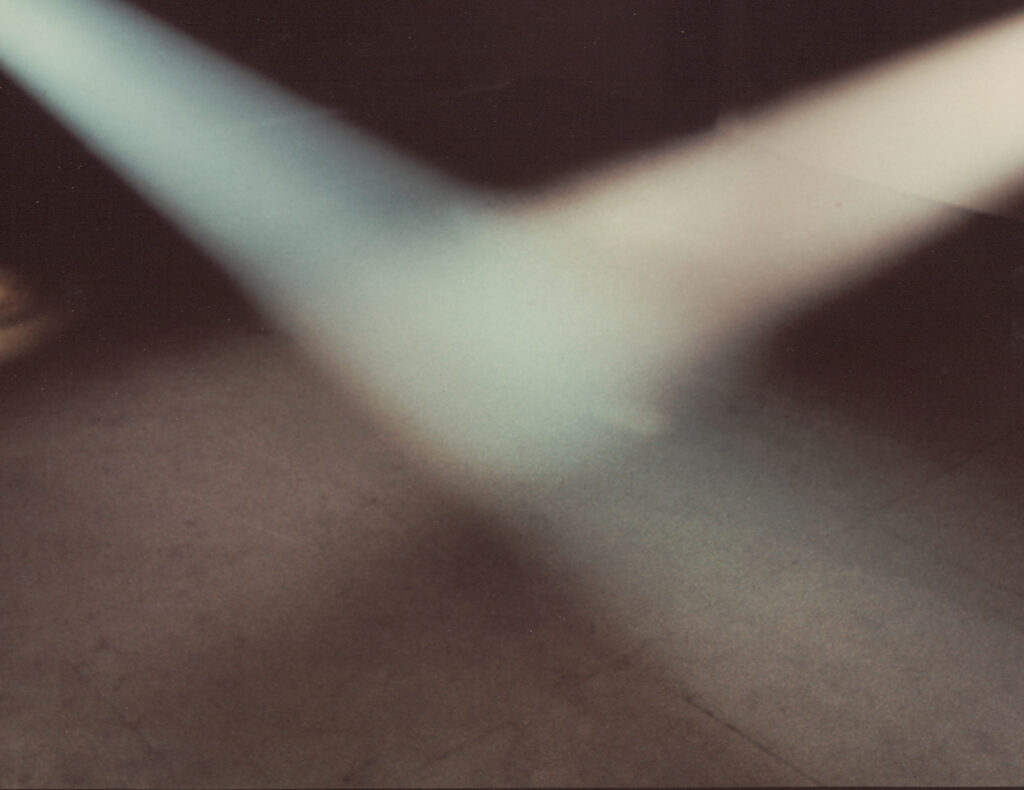
Ron Cooper 2.-First_FloatingVolume_VeniceStudio
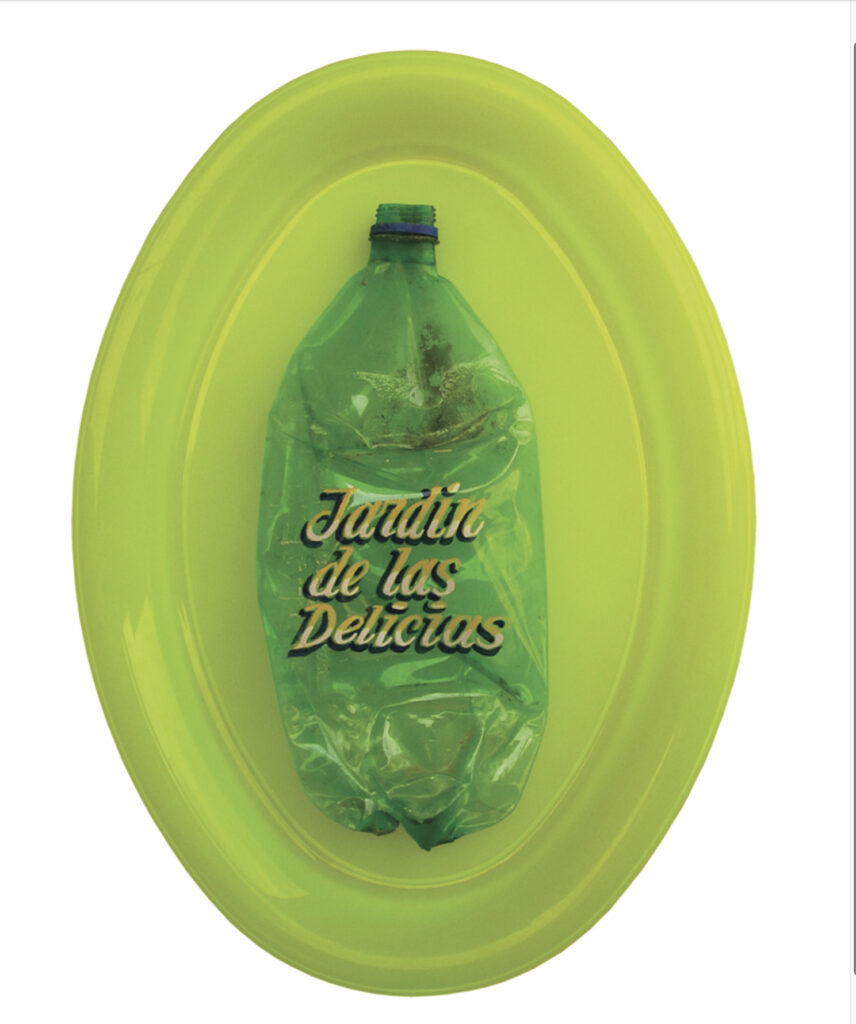
Ron Cooper Jardin
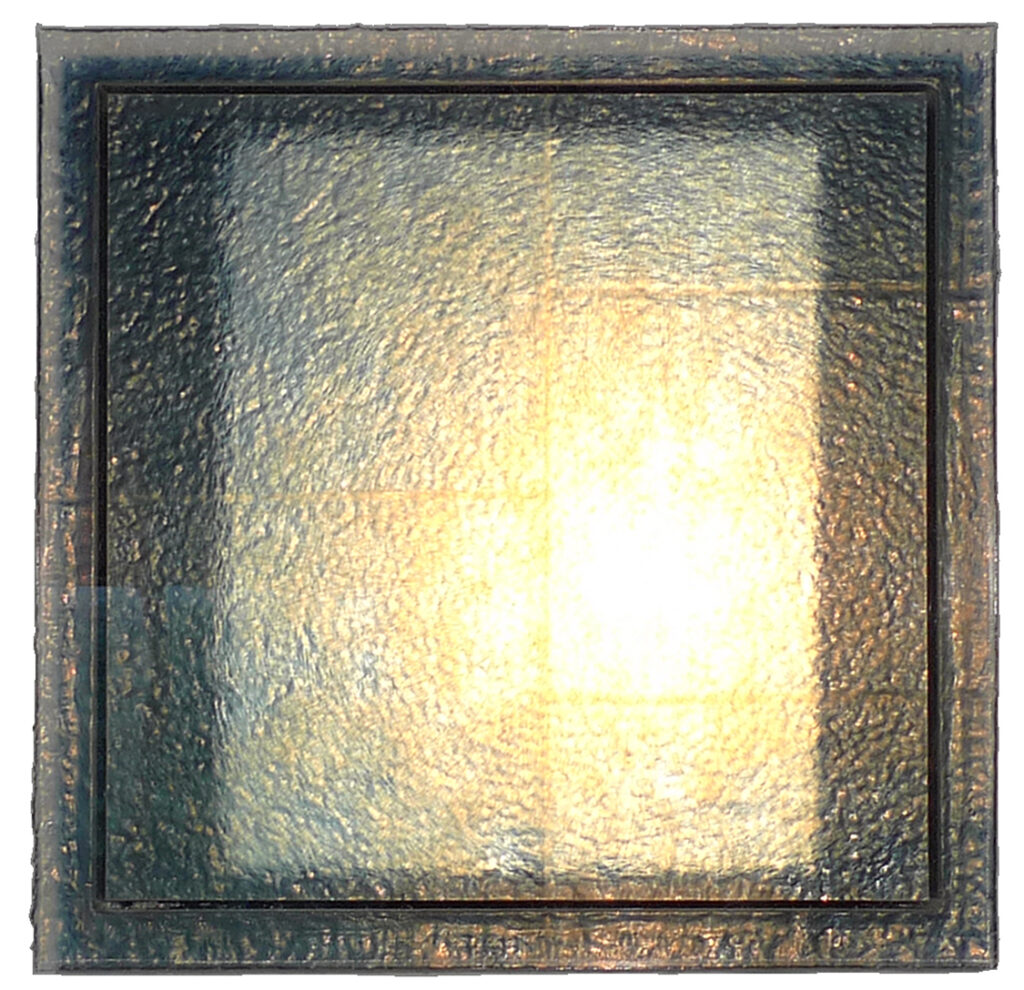
Ron Cooper 3. Light Trap 24
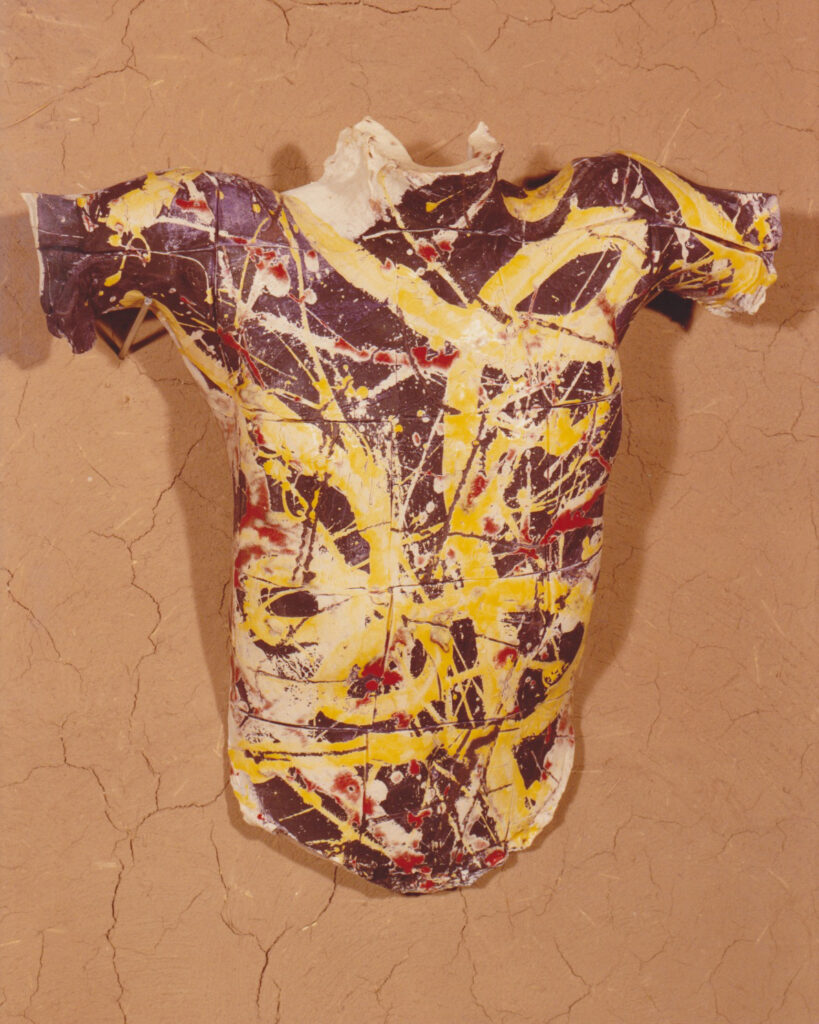
Ron Cooper 3. Clay Torso on Adobe
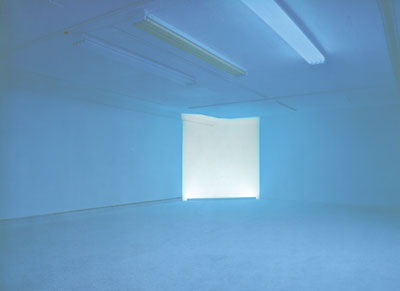
Ron Cooper coop-ace4

Ron Cooper 1. BallDrop_Stills,1969 Pomona
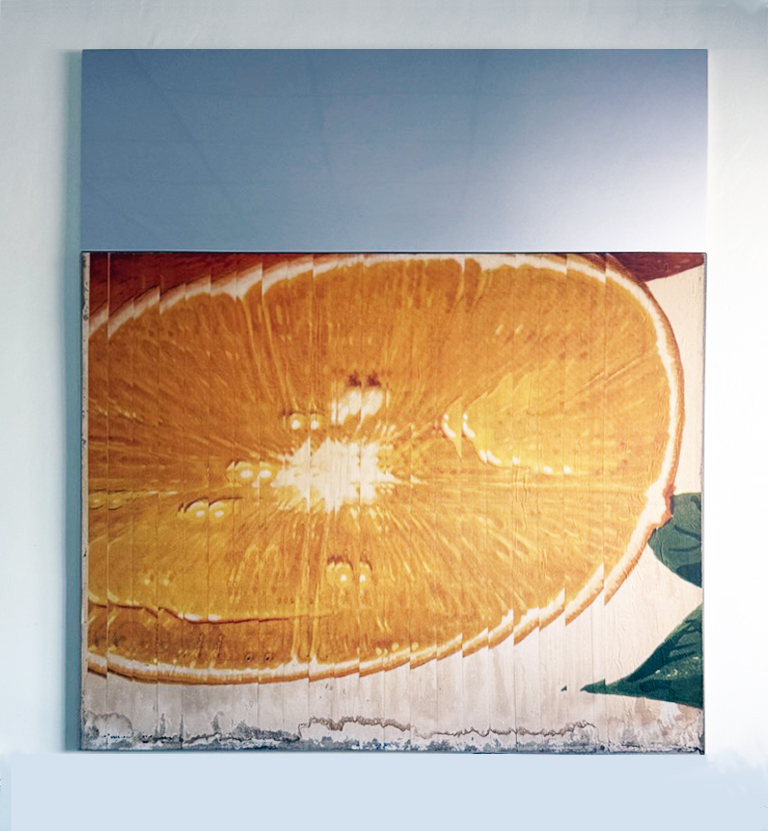
Ron Cooper 1964-2025 restoration
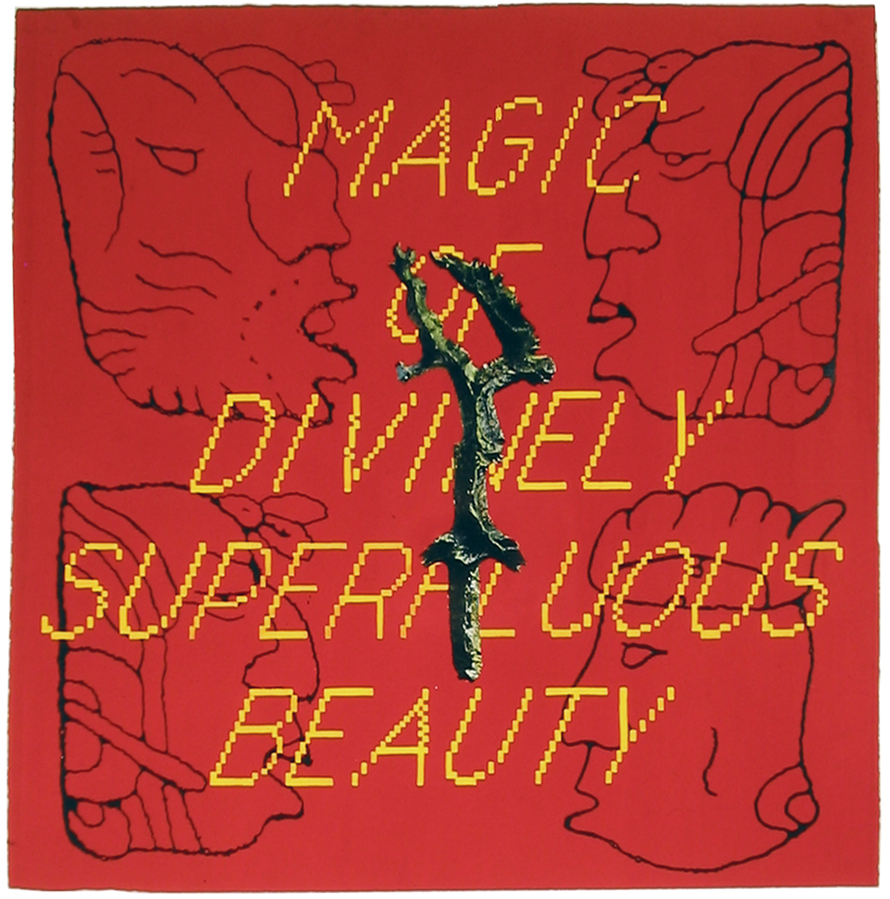
Ron Cooper 5.-Magic-of
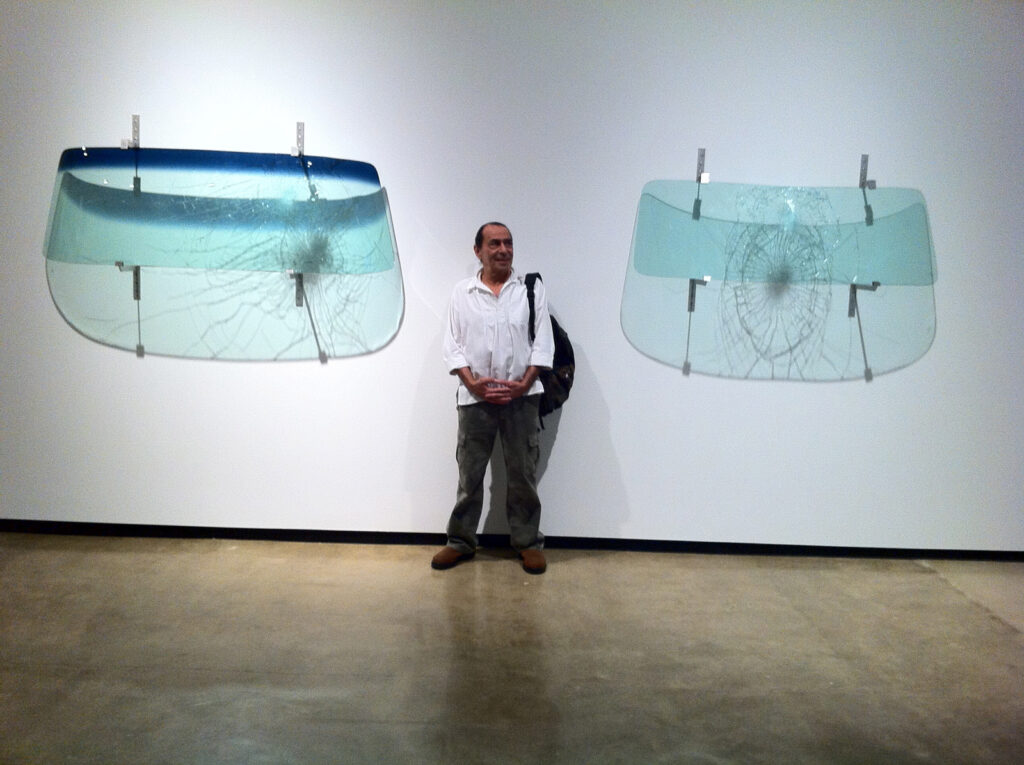
Ron-Cooper-4.-Pomona
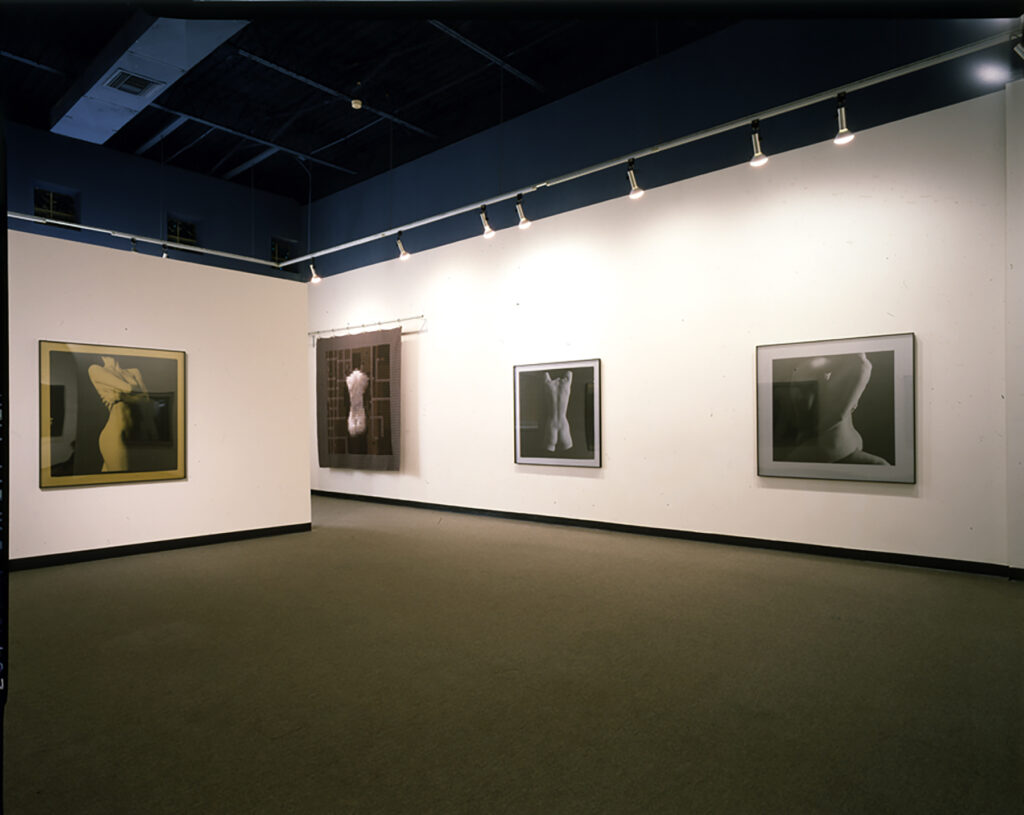
Ron Cooper 1. Cronin Houston 81
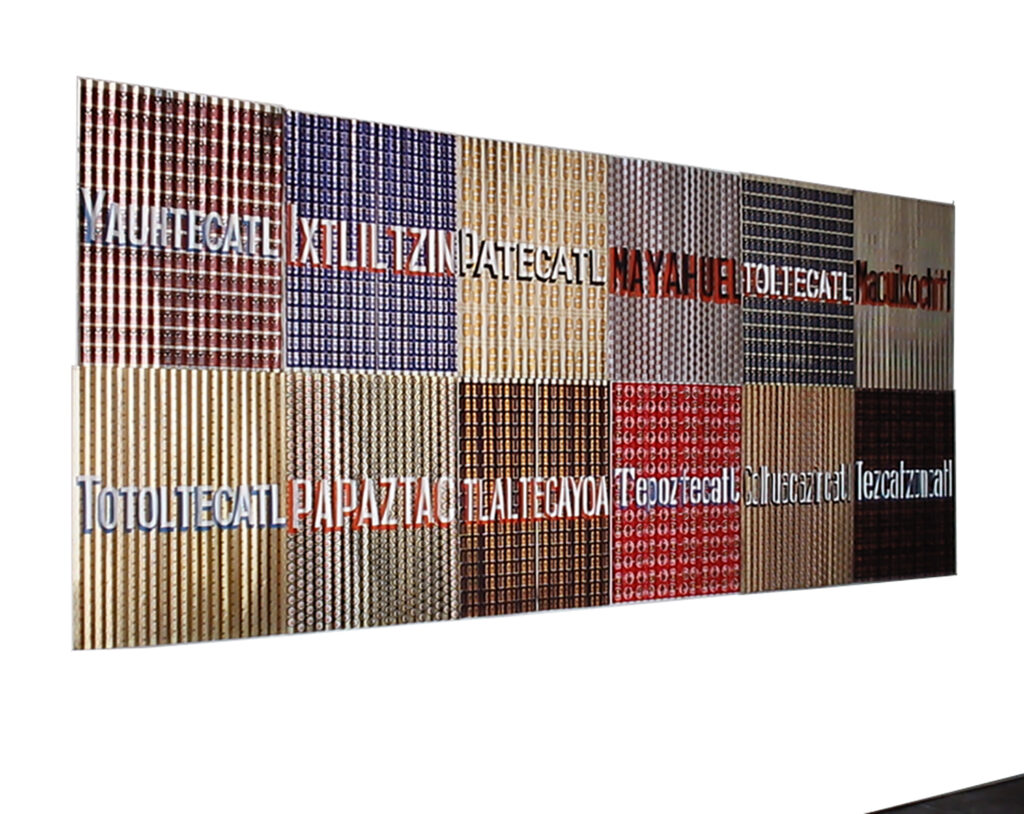
Ron Cooper 1. Centzon Totochtin
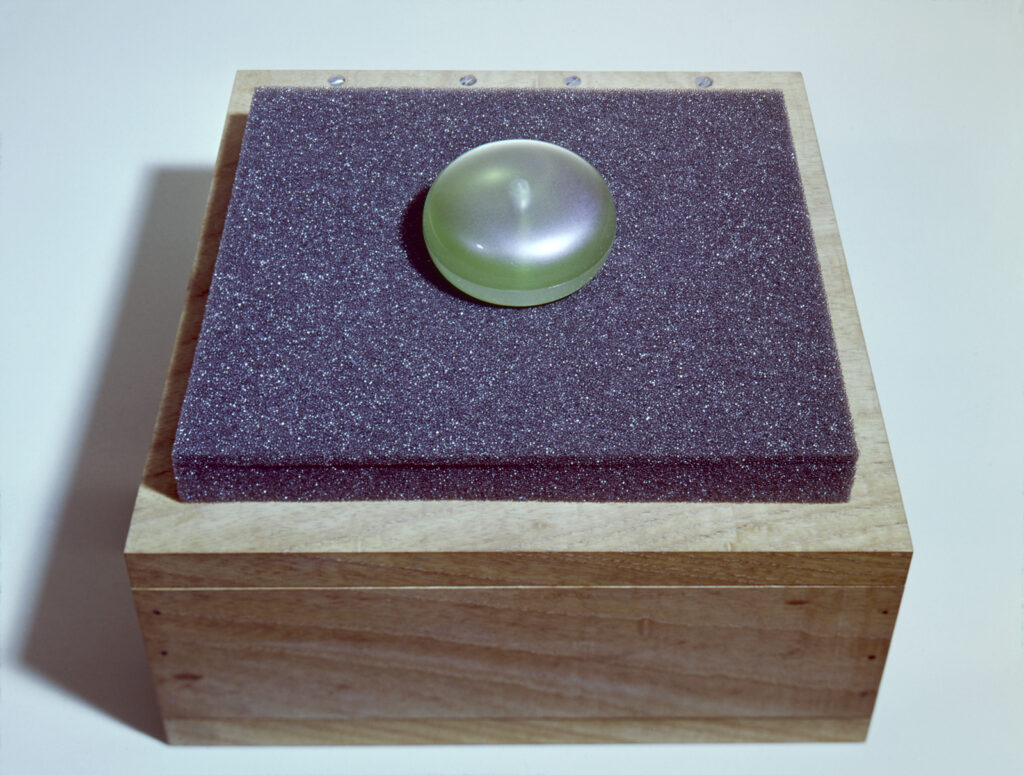
Ron-Cooper-2.-green-yoyo
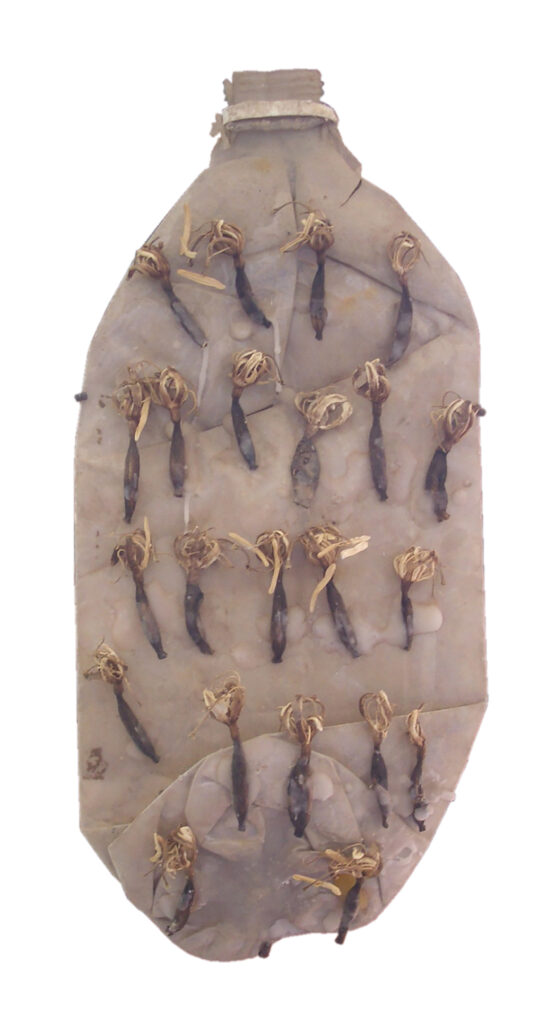
Ron Cooper 13. TobalaSeedBottle
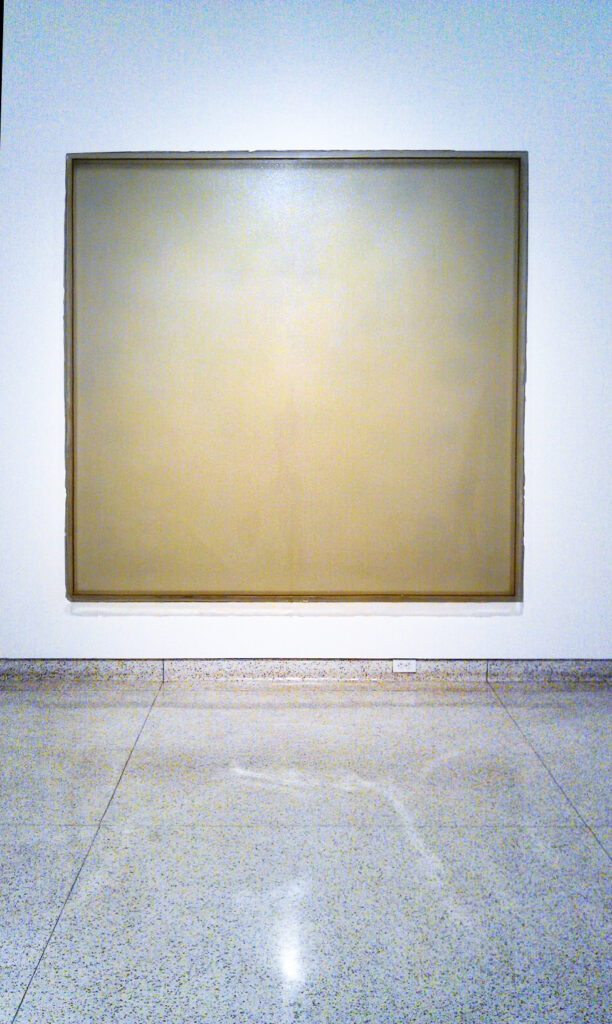
Ron Cooper 1. 1969 early resin 7_4 SQ La Jolla
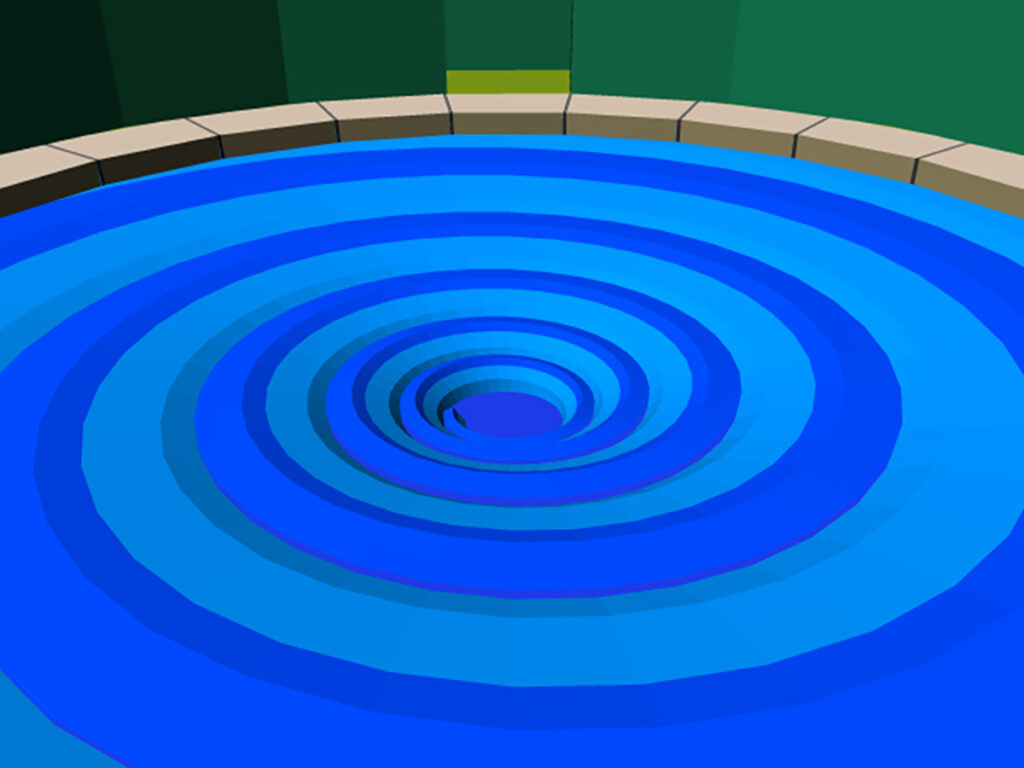
Ron Cooper 3. Whirl Pool in Labyrinth
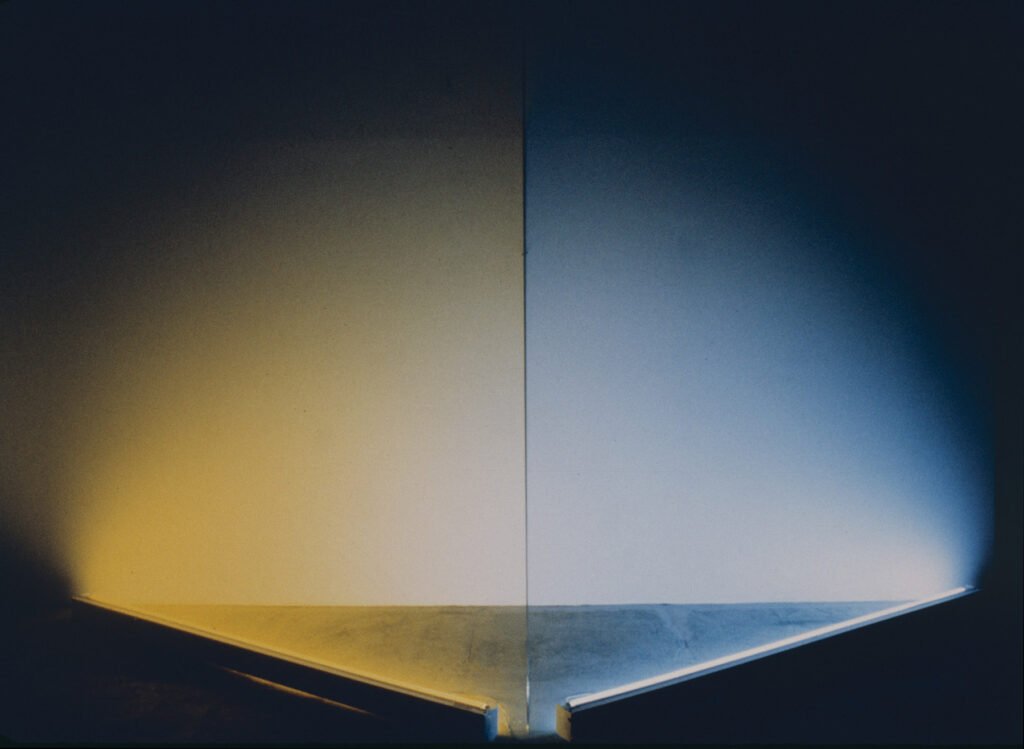
Ron Cooper 1. SeparatorVariation_Venice 1970_1
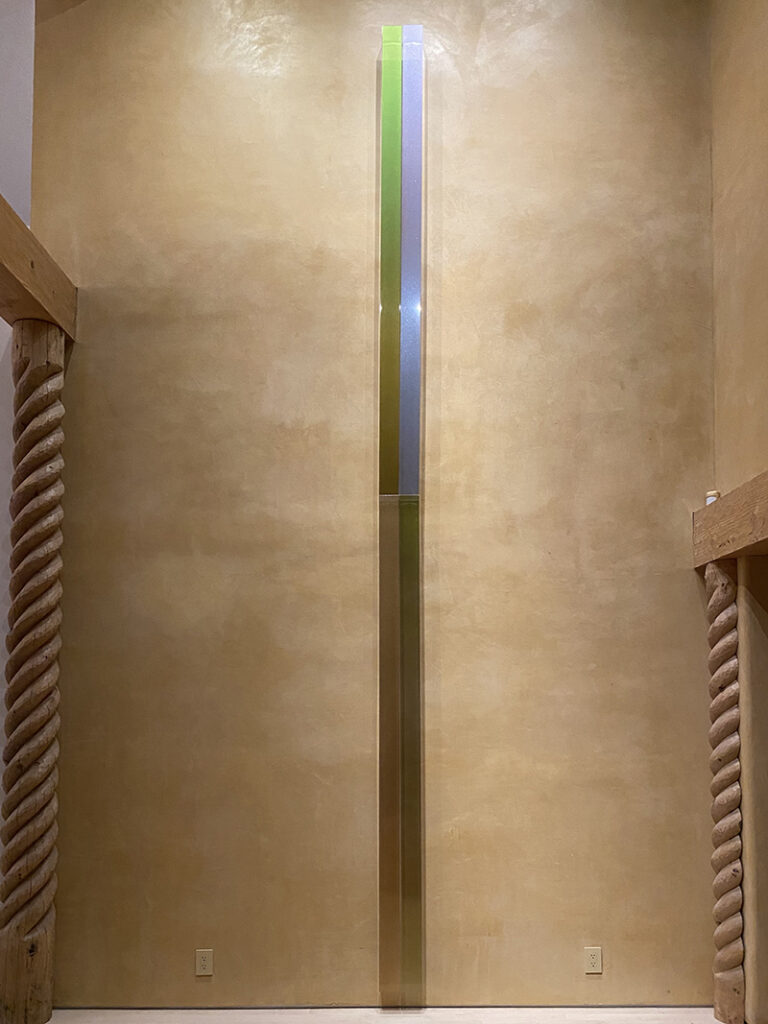
Ron Cooper 2. 16ft four bar entry
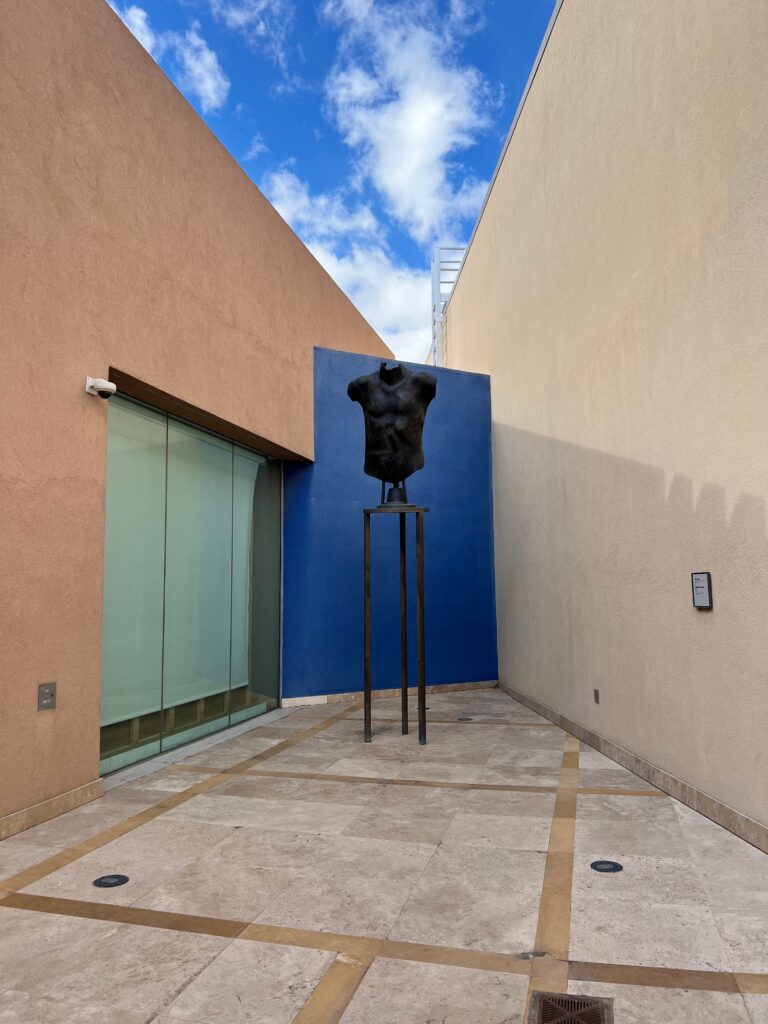
Ron Cooper 9. Albuquerque Museum Torso early _90s
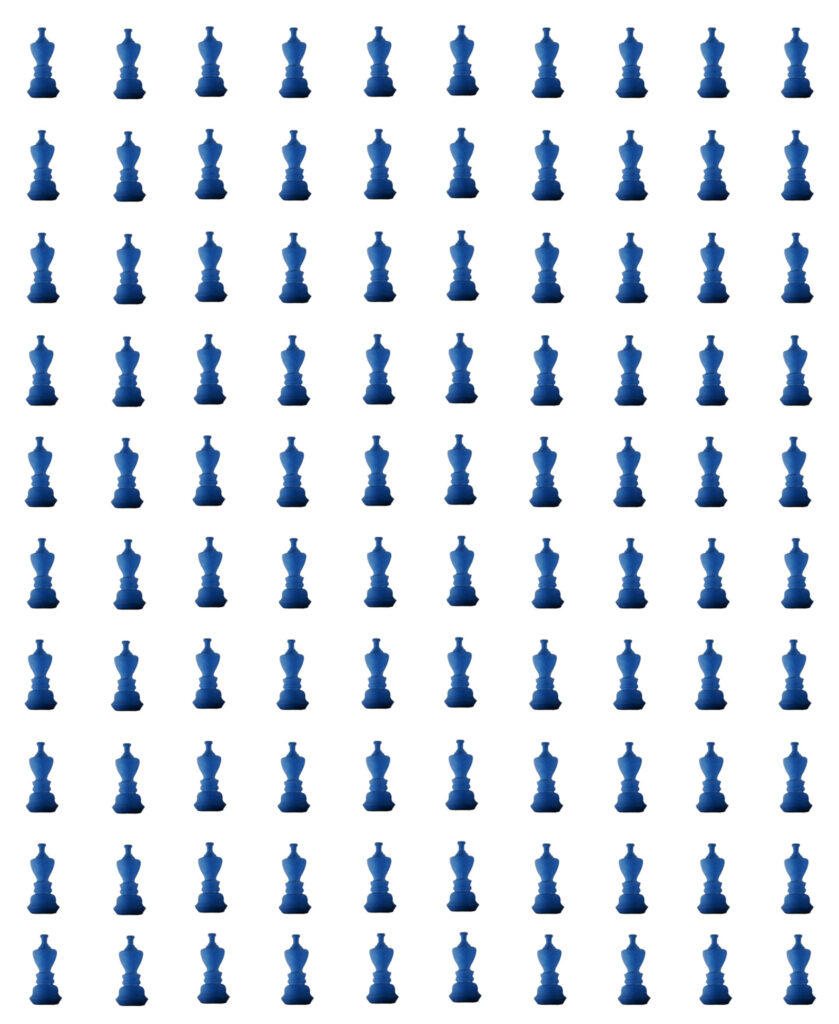
Ron Cooper 3.-Ometotchtli_18_-x-15_-wall-
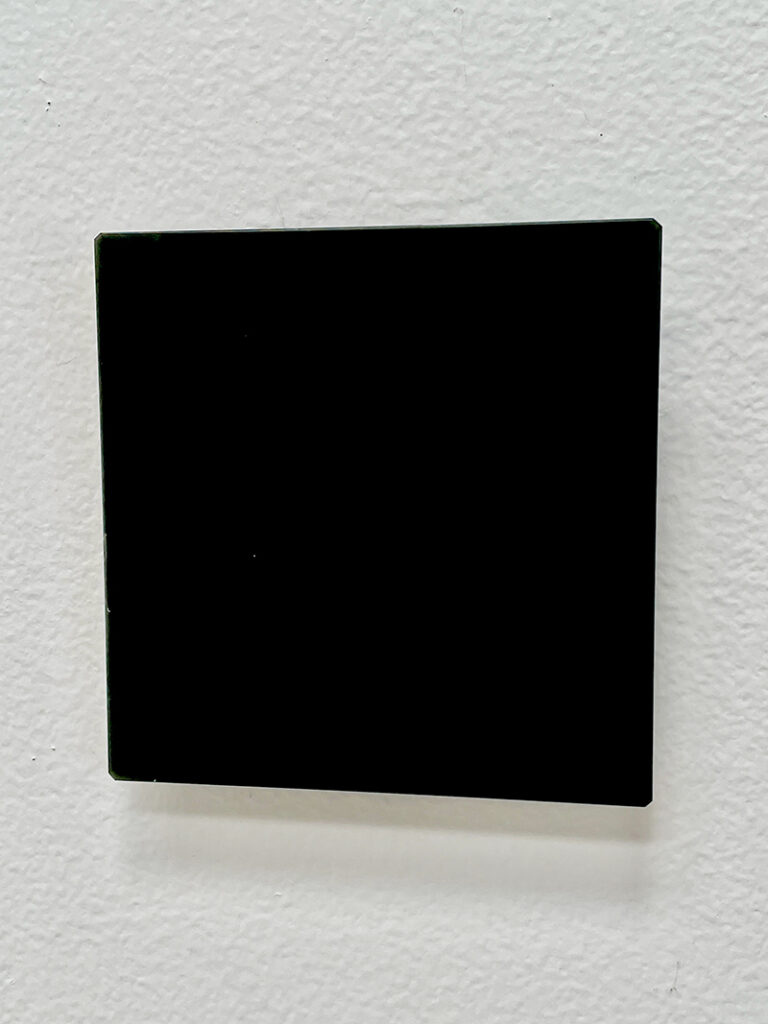
CooperR_SmokingMirror_2023
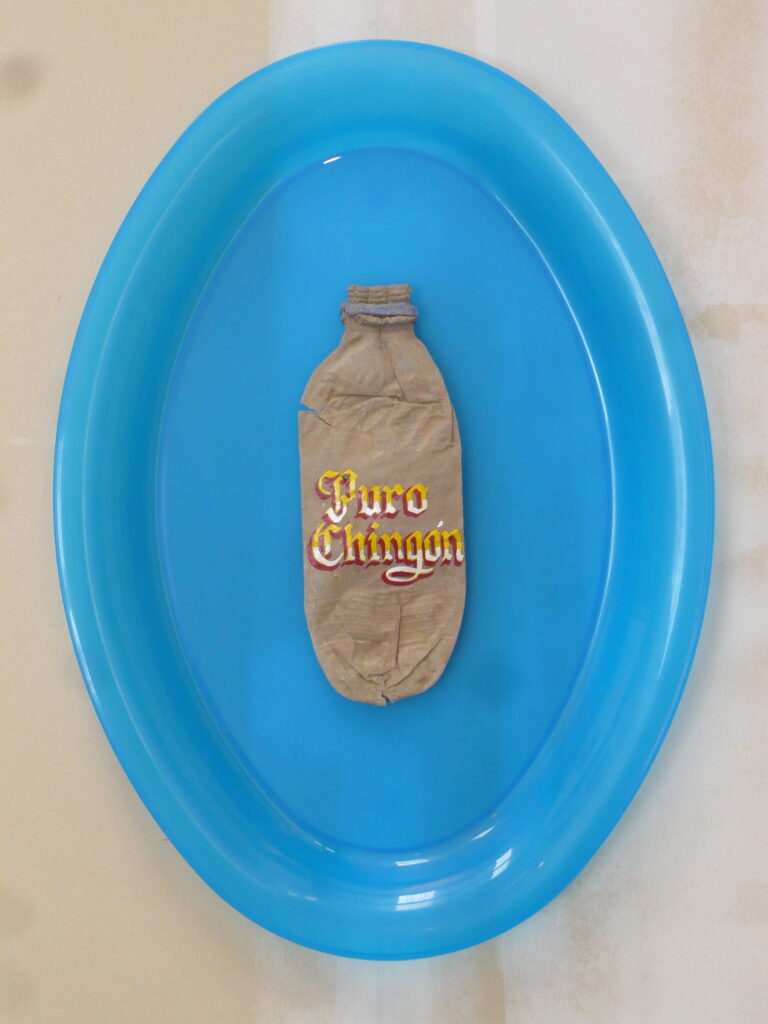
Ron Cooper 10. Puro Chingon
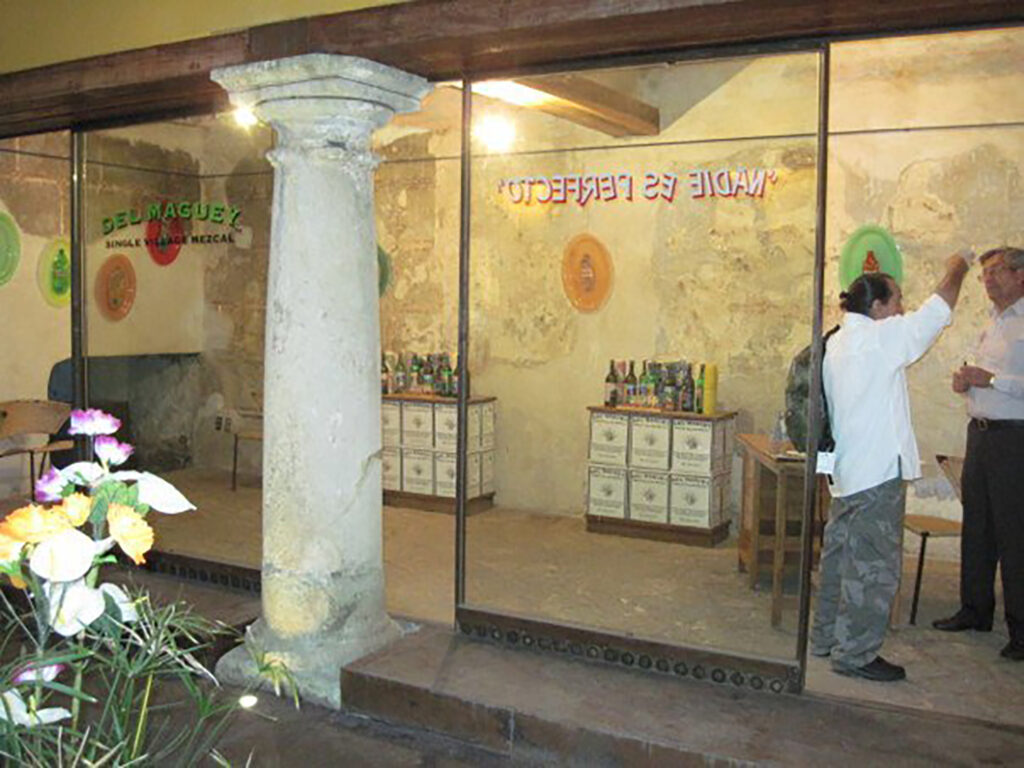
Ron Cooper 9. NADIE ES PERFECTO
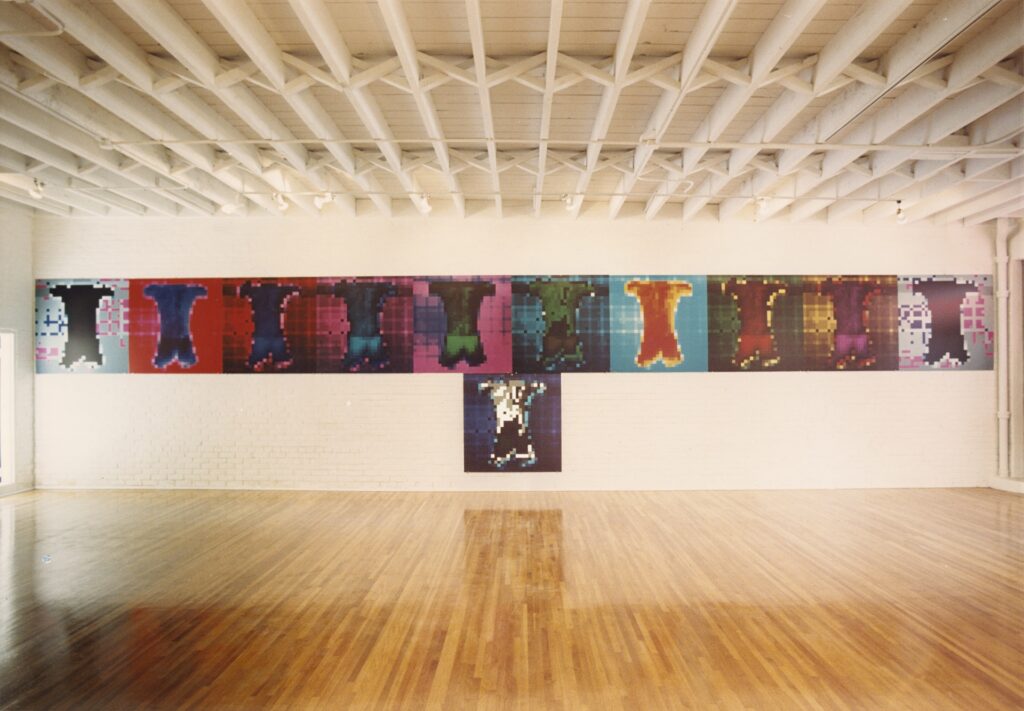
Ron Cooper 6. Pseudocolor installation
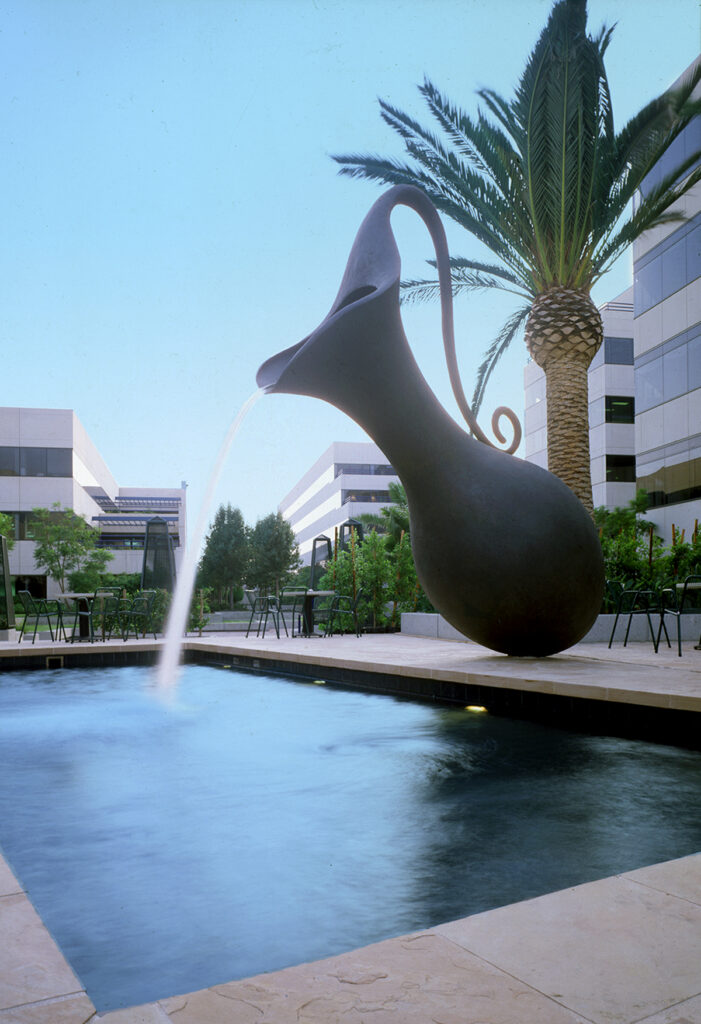
Ron Cooper 1. Big Pitcher
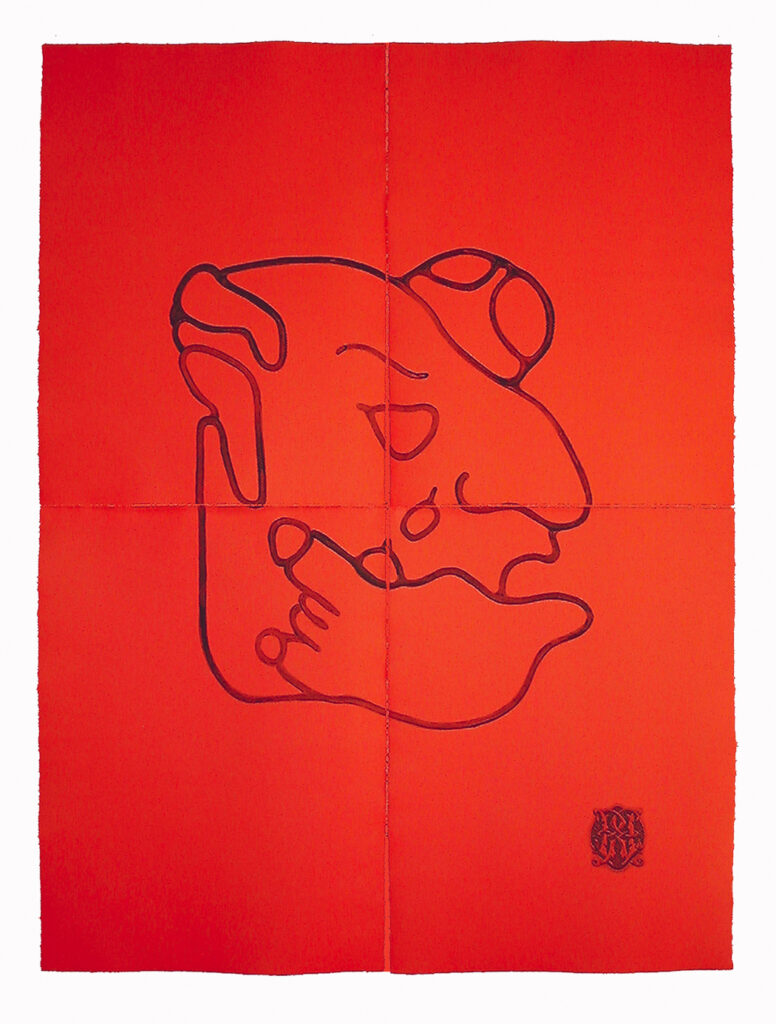
Ron Cooper 6. zero 44×60 Monoprint
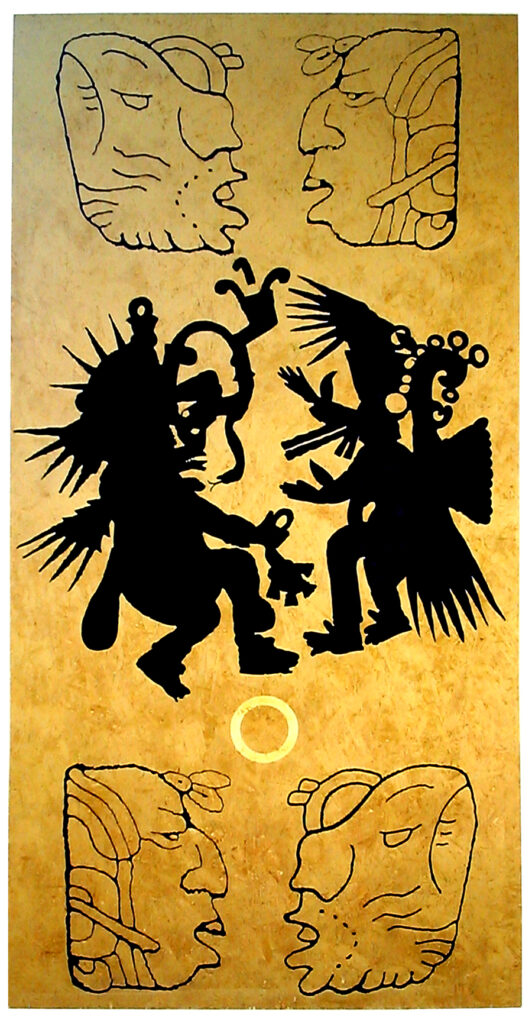
Ron Cooper 7. Dance Tezcatlipoca Quetsalcoatl
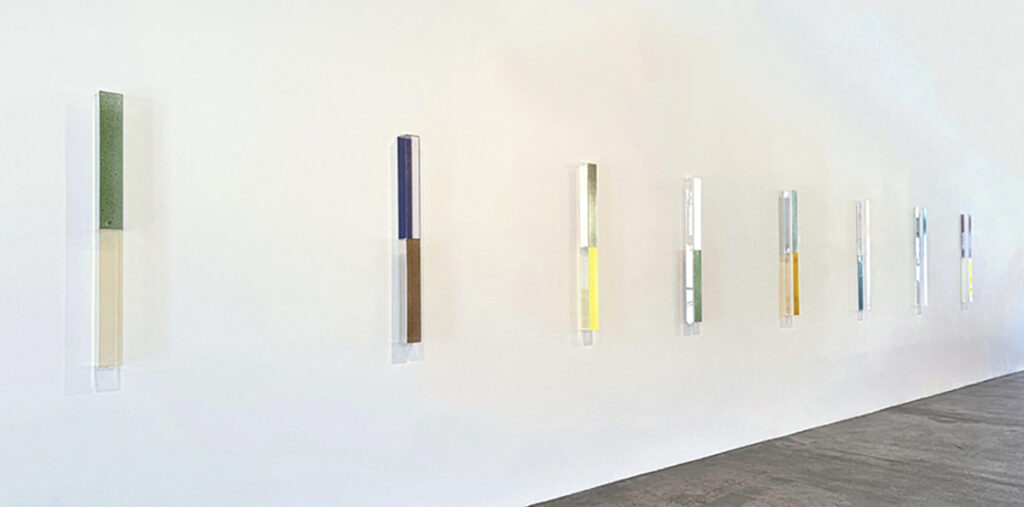
Ron Cooper 3. Eight Combos, Charlotte july 4th 26
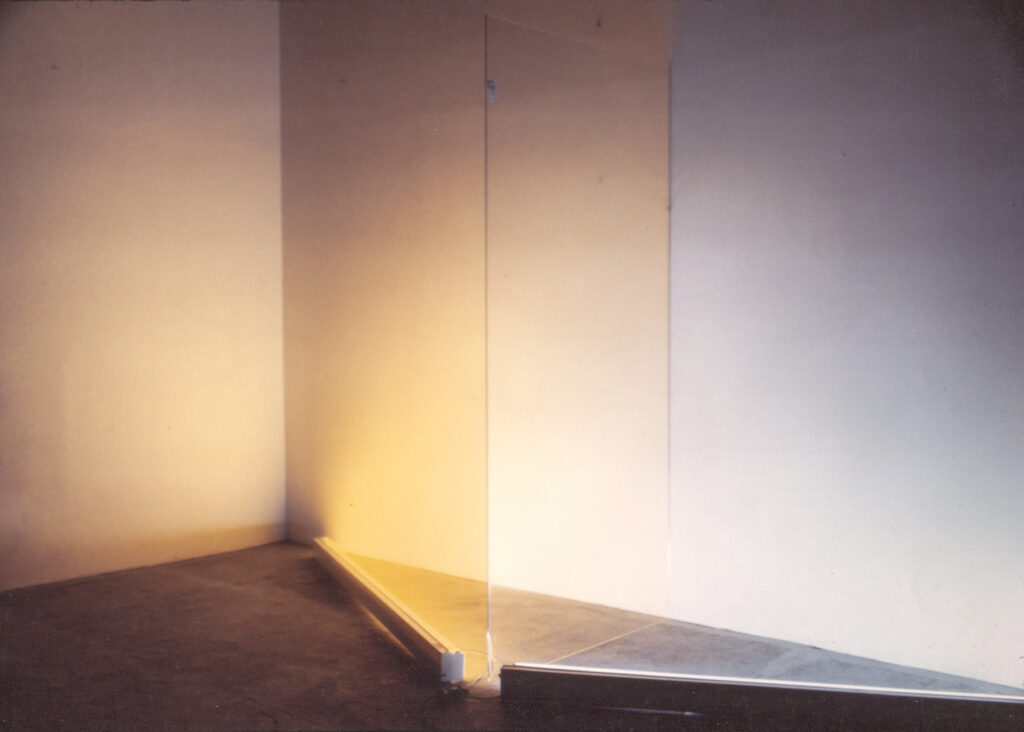
Ron Cooper 2. SeparatorVariation_Venice 1970_2
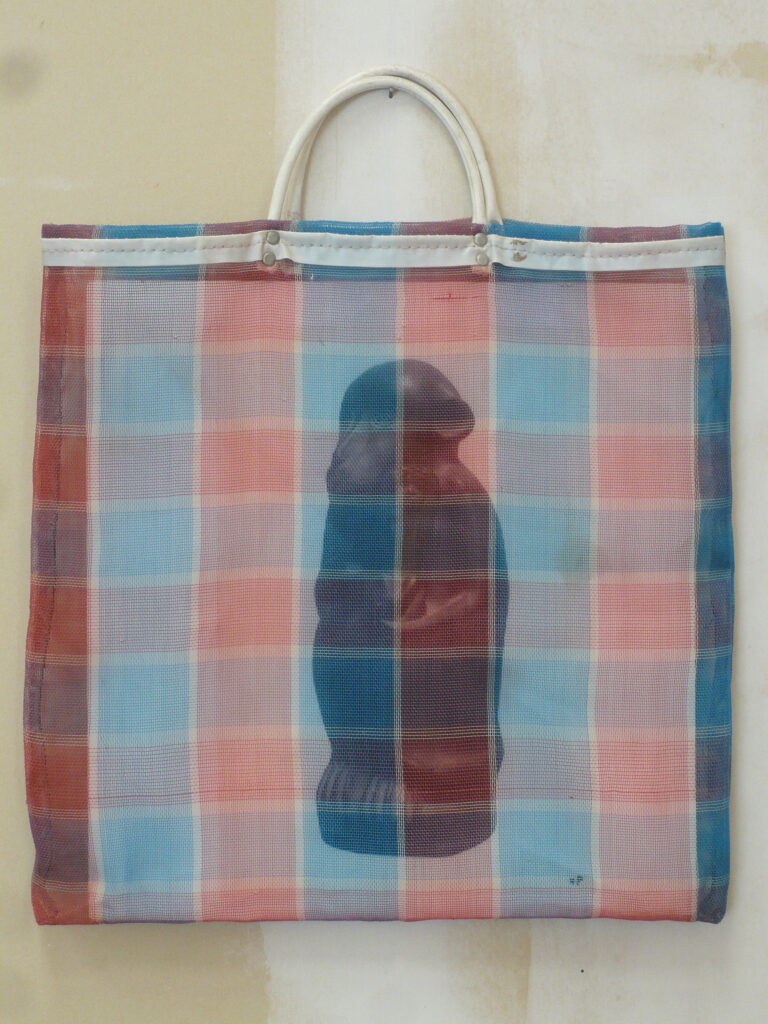
Ron Cooper 4. Madona and child
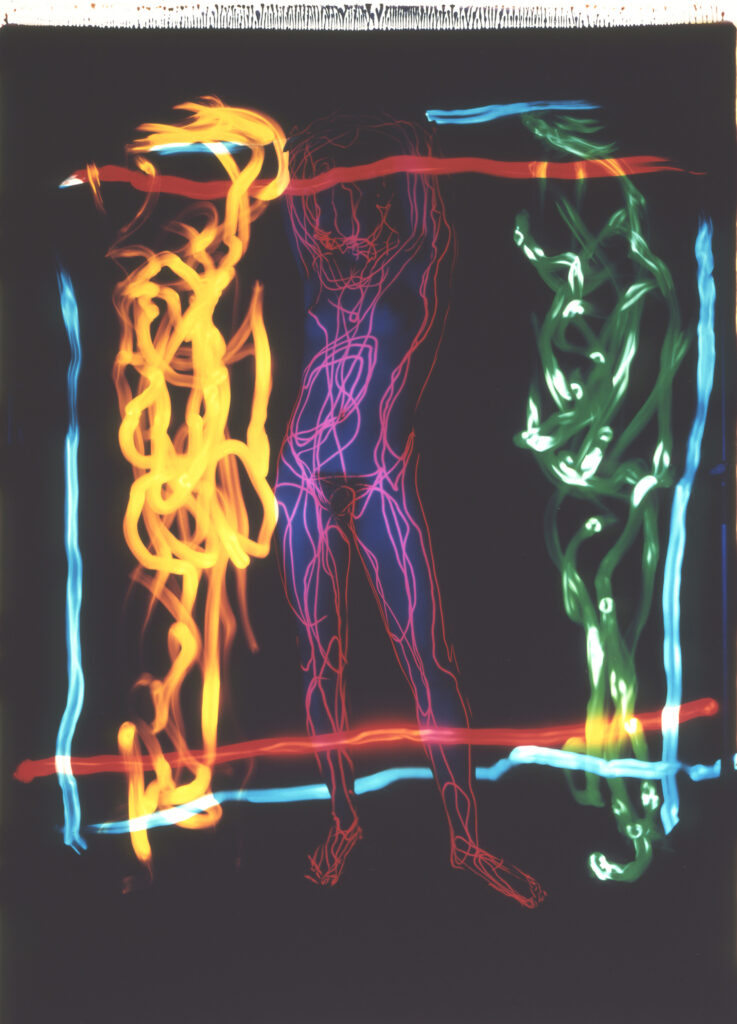
Ron Cooper 12. Polaroid flashlight torso 2
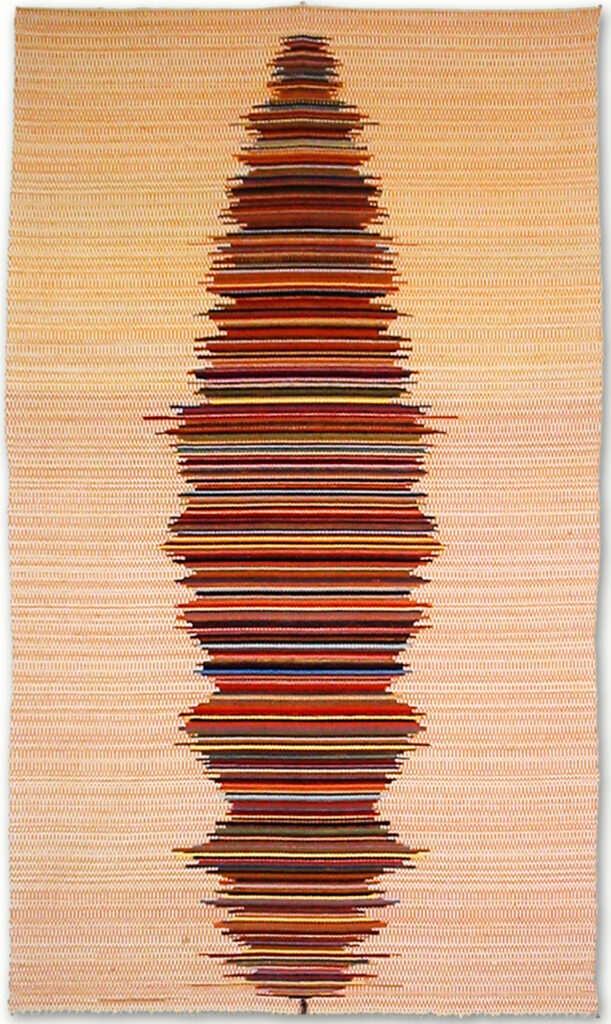
Ron Cooper 16.-Whirlpool-Weave
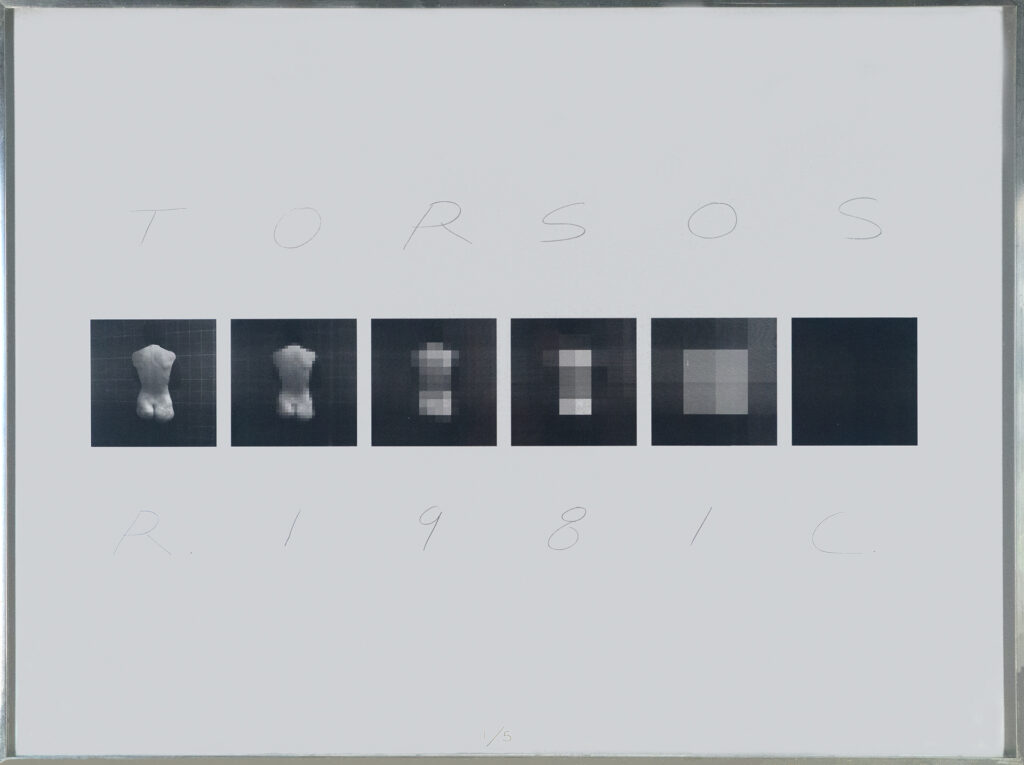
Ron Cooper 8. Torso Progression_1981
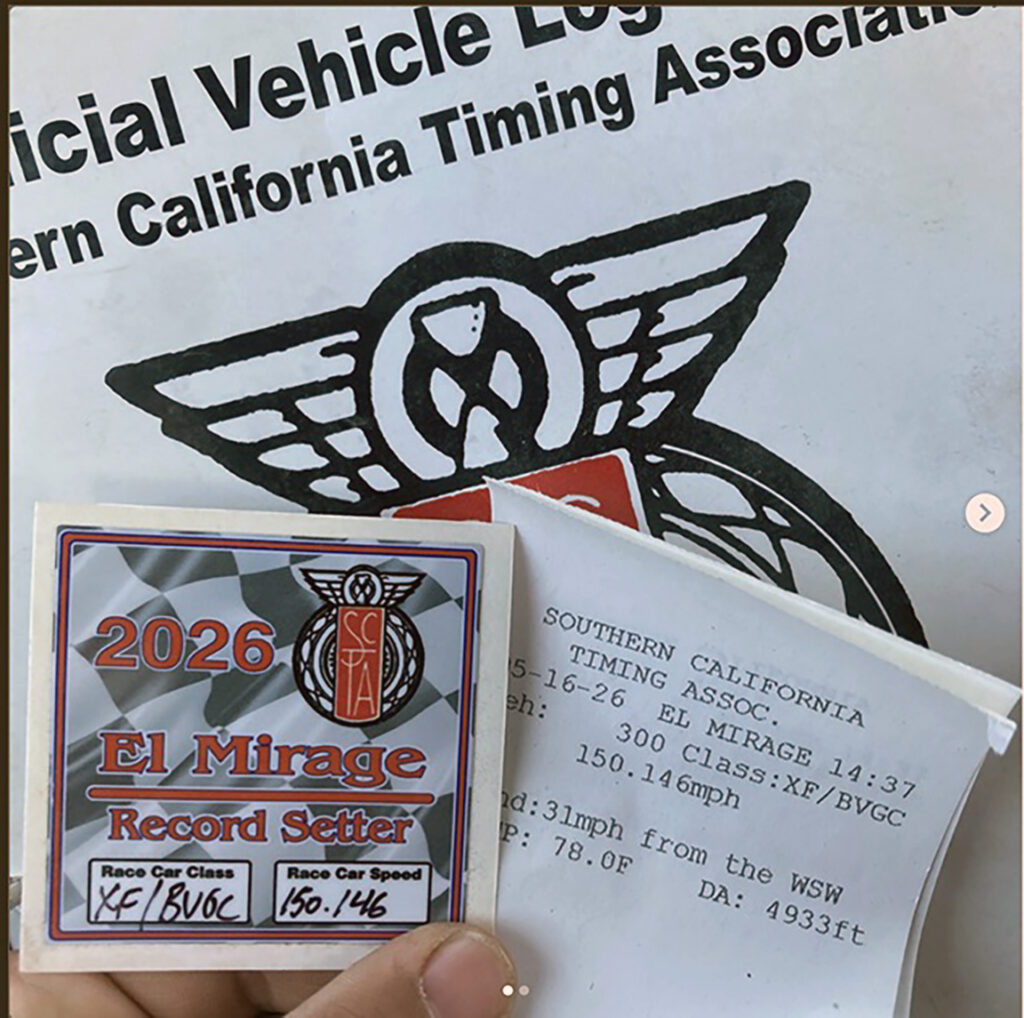
Screenshot
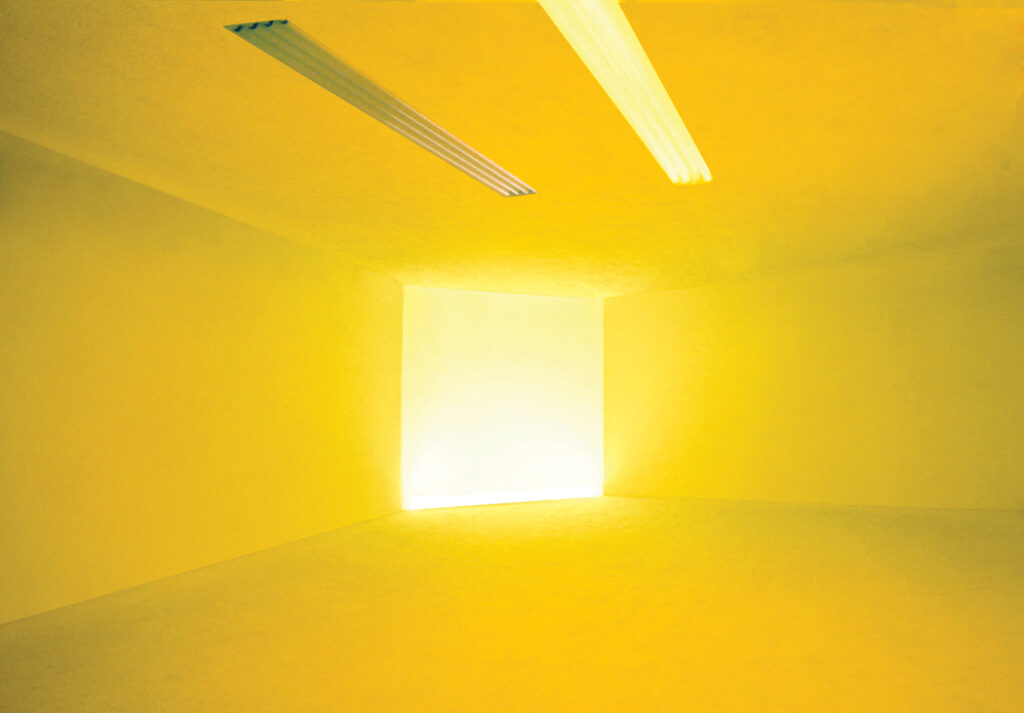
Ron Cooper 5.-CornerVolume_LaJolla_1973_yellow
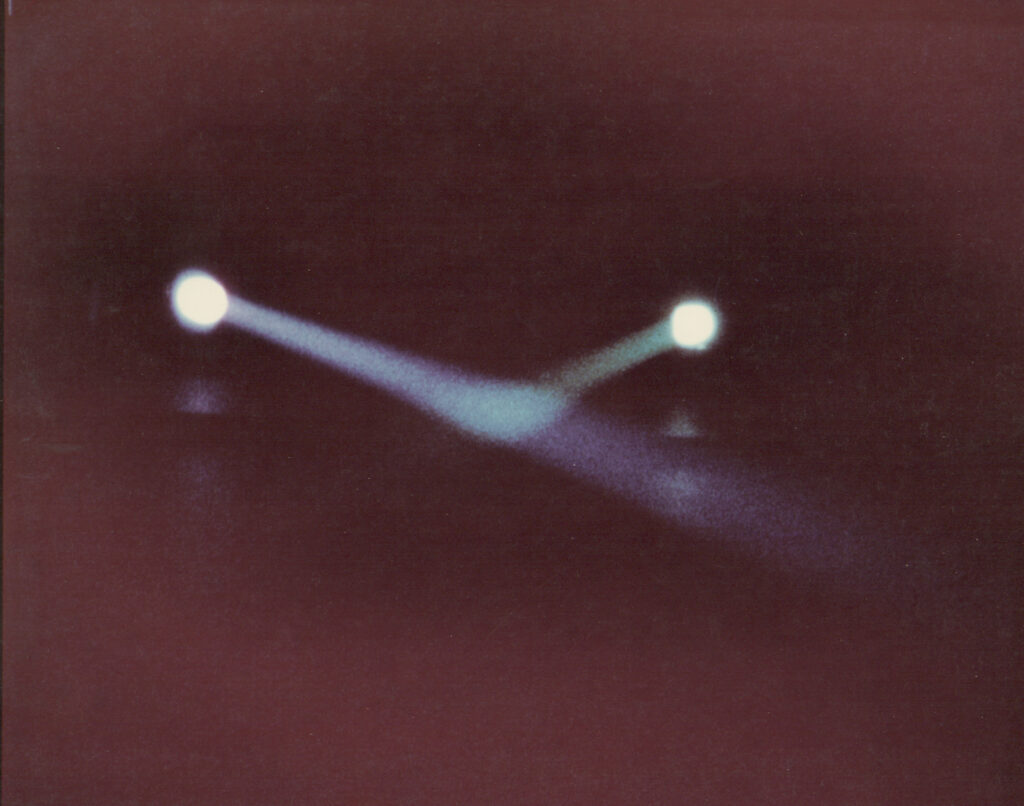
Ron Cooper 1.-First_FloatingVolume_SantaMonicaCivic
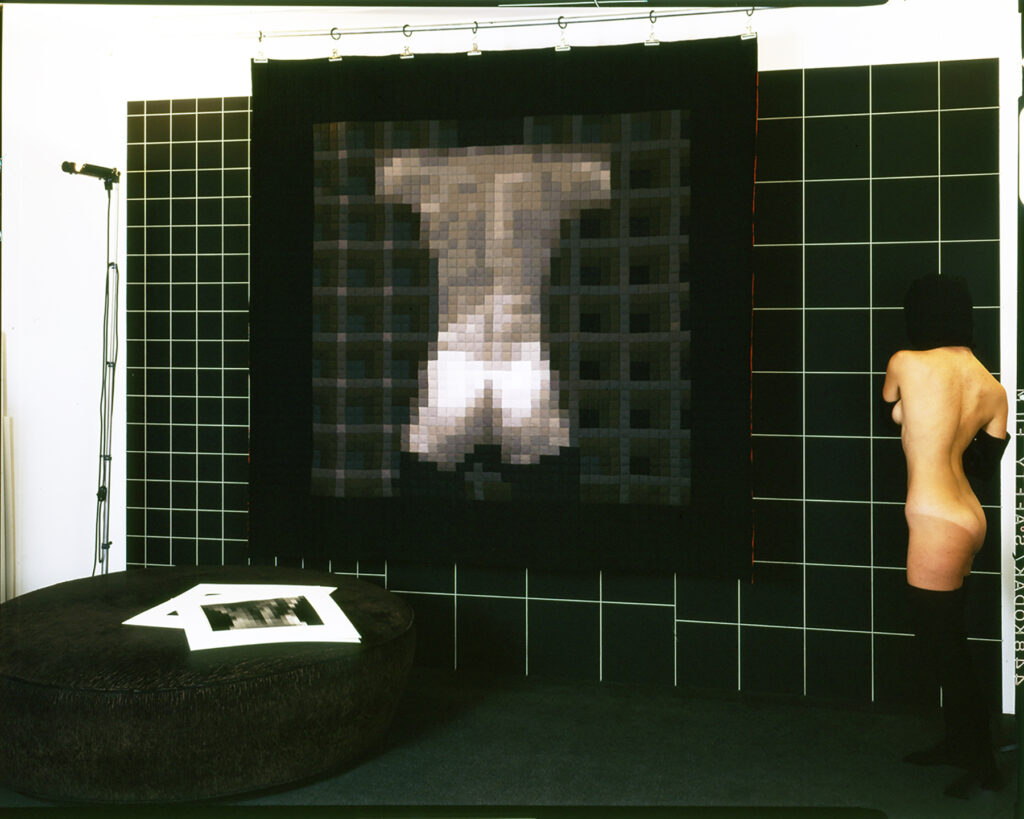
Ron Cooper 7. Studio Male Quilt
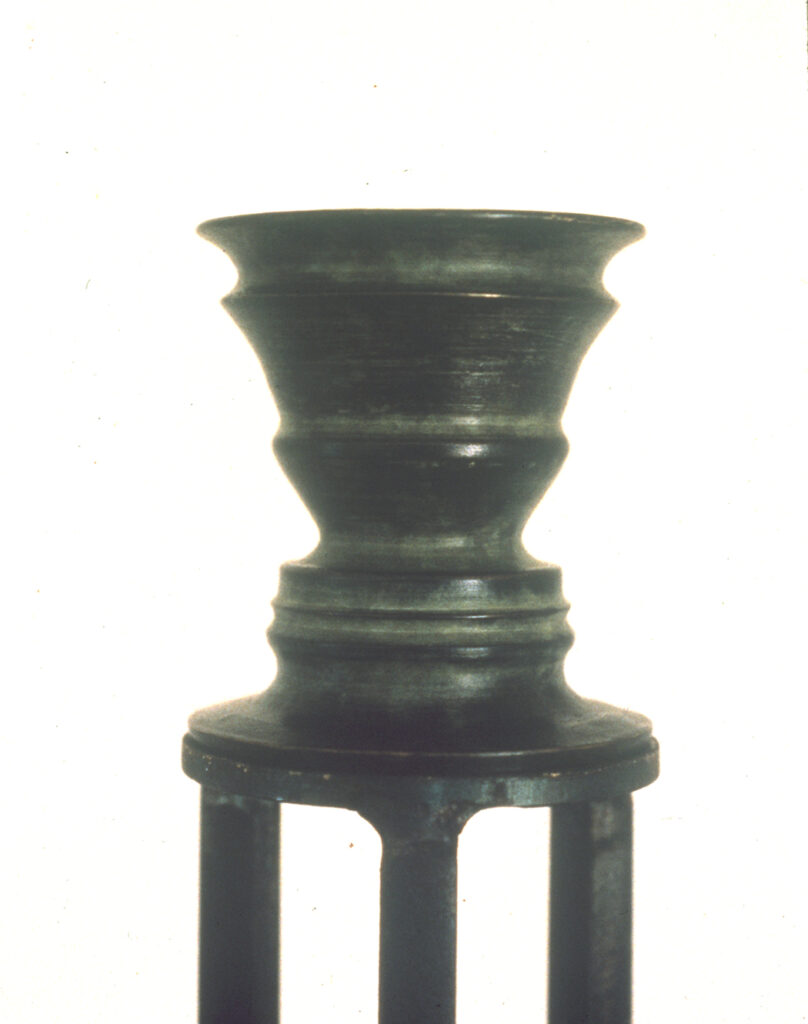
Ron Cooper 3. HopperHead
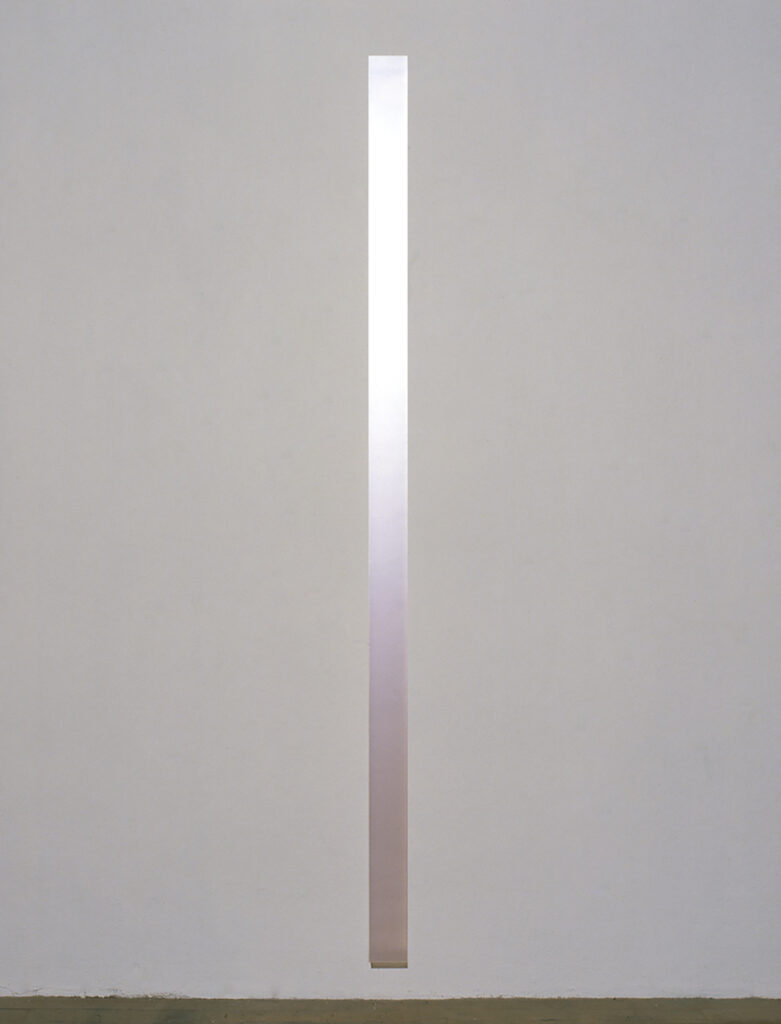
Ron Cooper 1.-VerticalBar_65
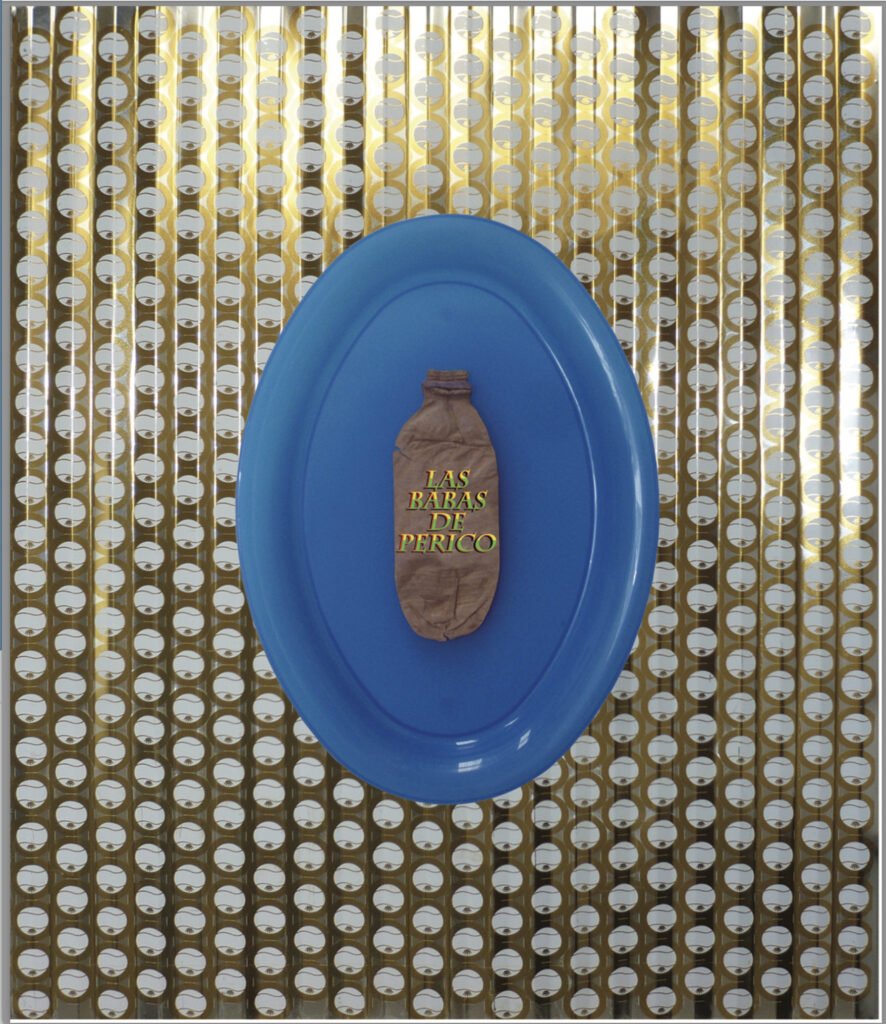
Ron Cooper Lamina las babas
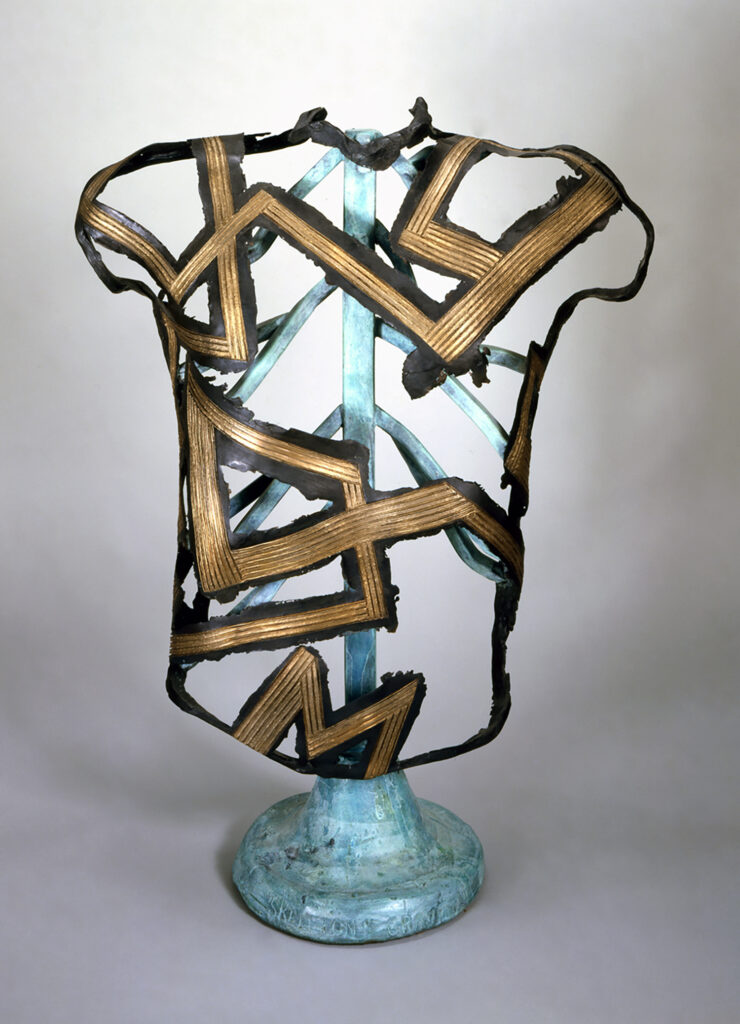
Ron Cooper 4. Labyrinth of Gravity
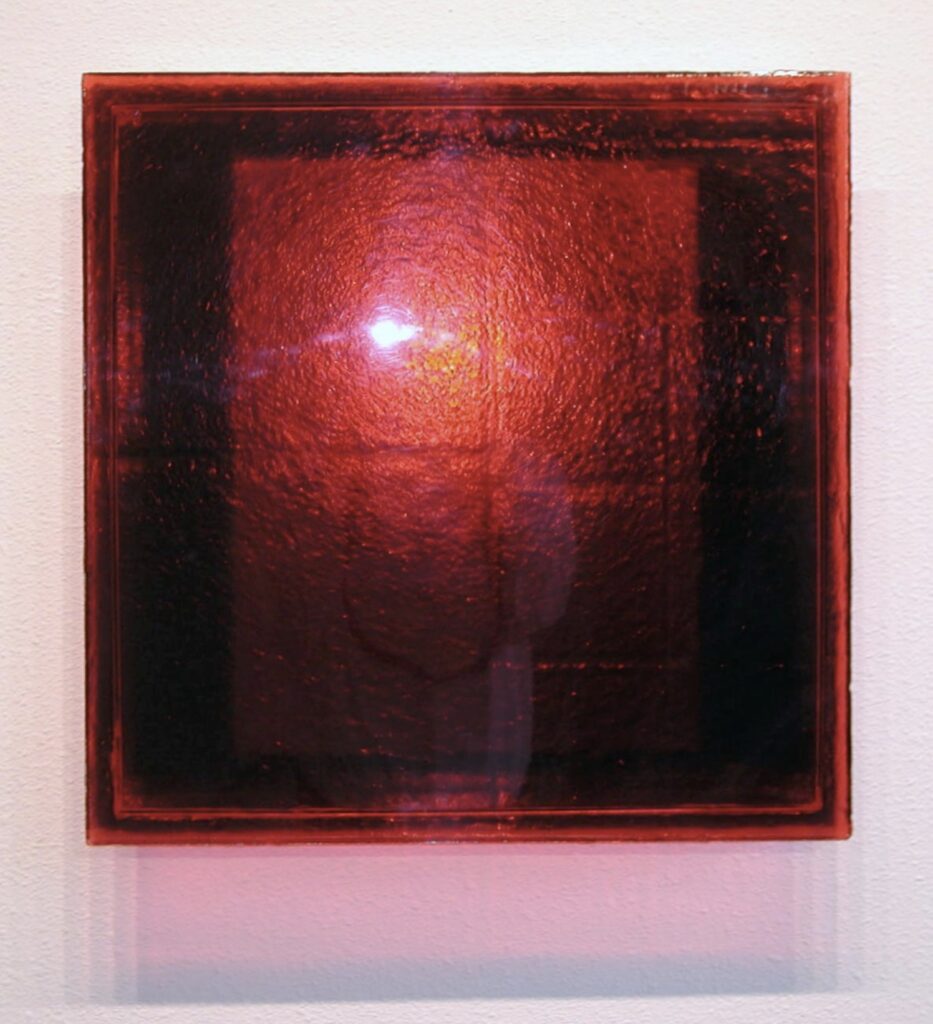
Ron-Cooper-2.-Let-the-inside-equal-the-outside.jpg
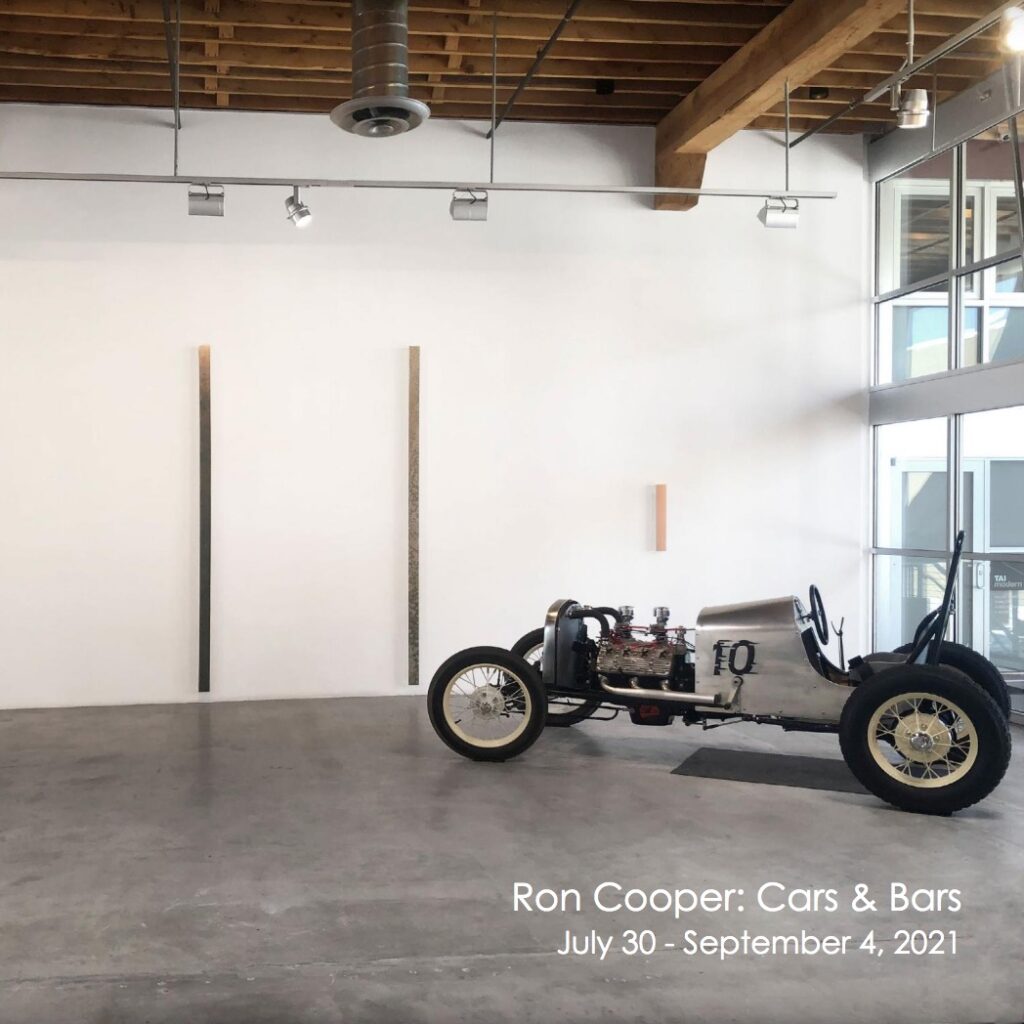
Ron Cooper 1. 10 car Charlotte Jackson
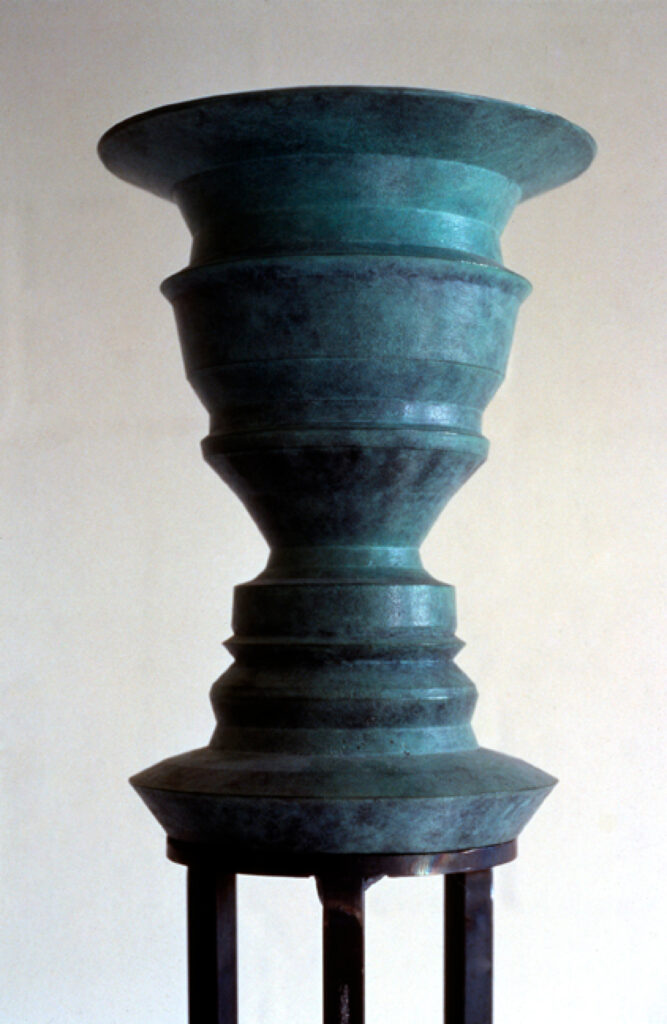
Ron Cooper 4.-Portrait-of-the-artist-as-a-Young-Urn
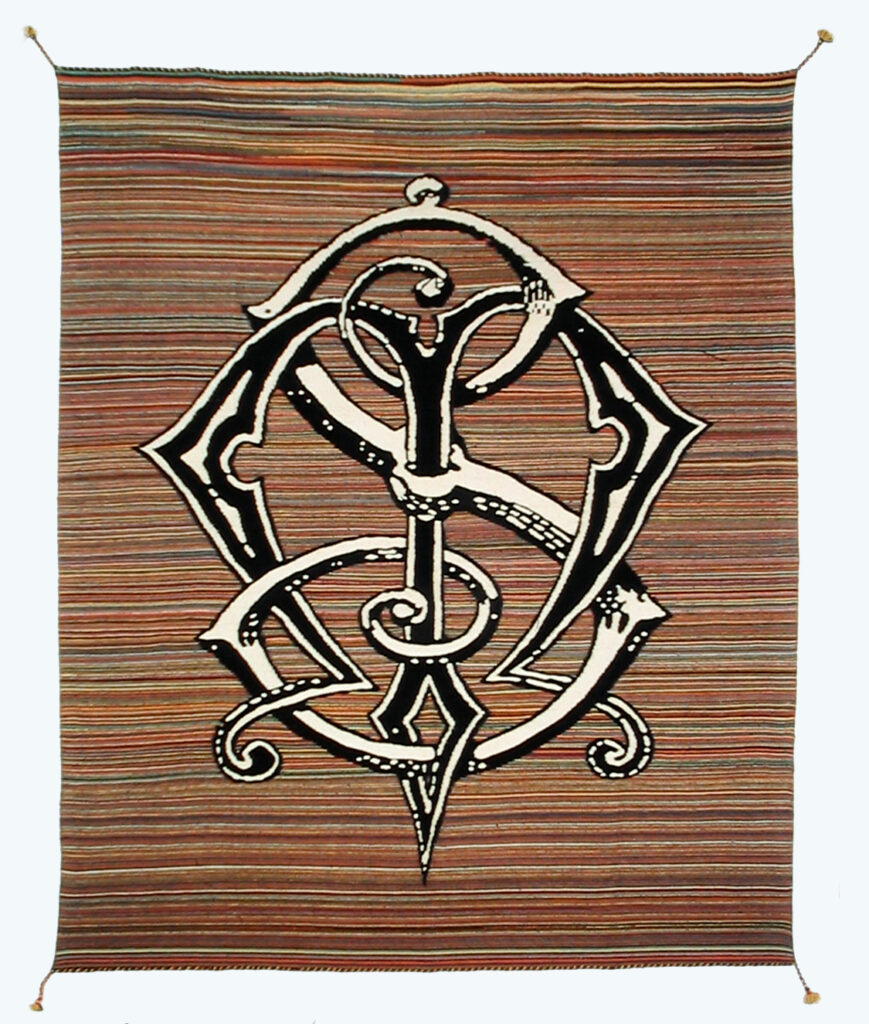
Ron Cooper 15. Medir Sombra
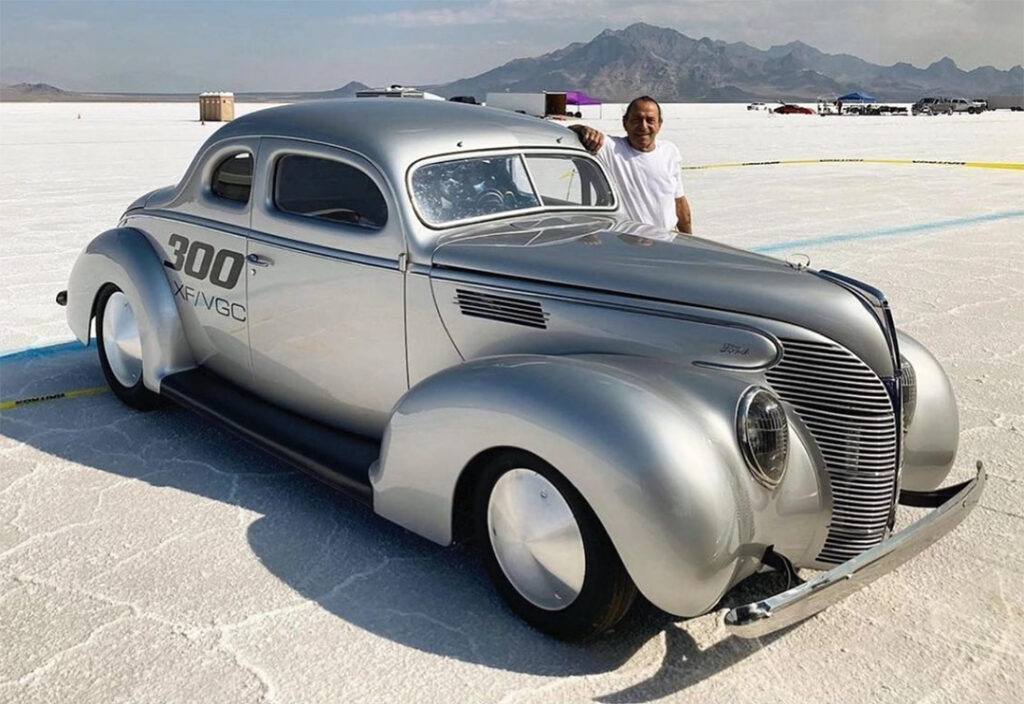
Ron Cooper 2.-Silver-coop-bonneville
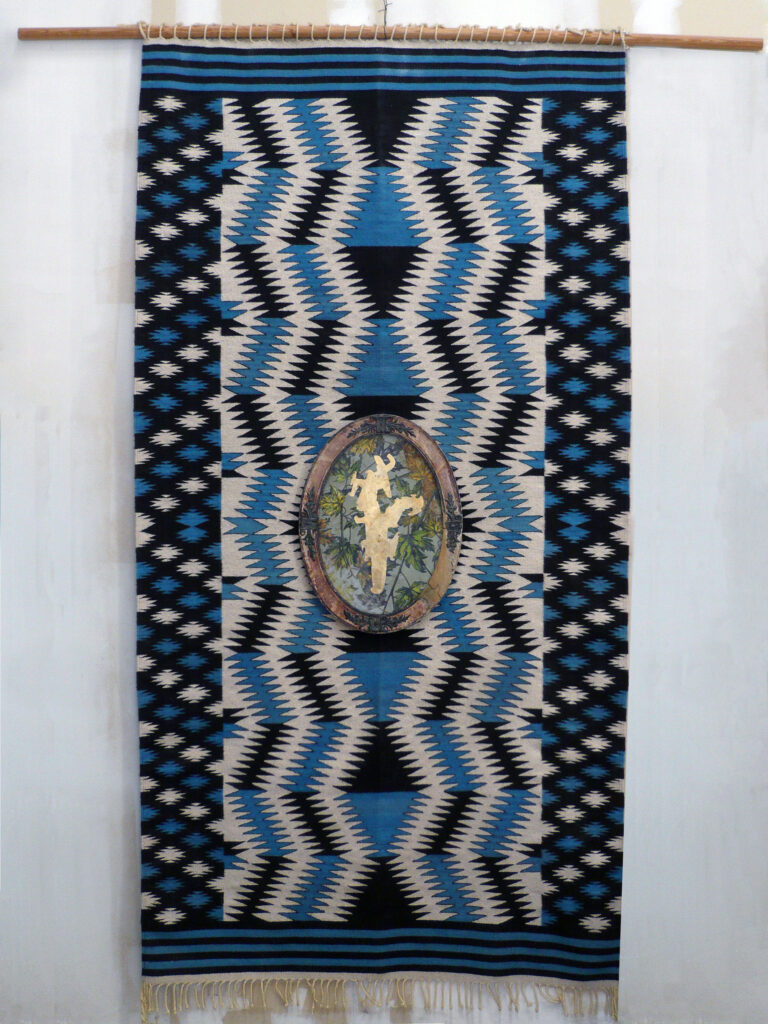
Ron Cooper 11. Rio Grande Eccentric flint
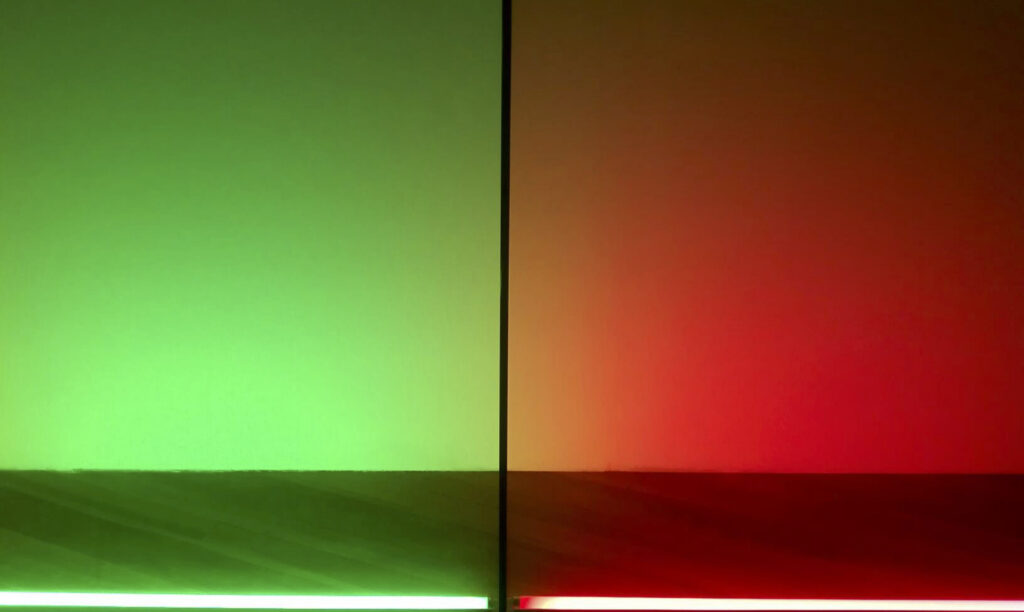
Ron Cooper 4. GreenRed_4x8_16_NY_1973
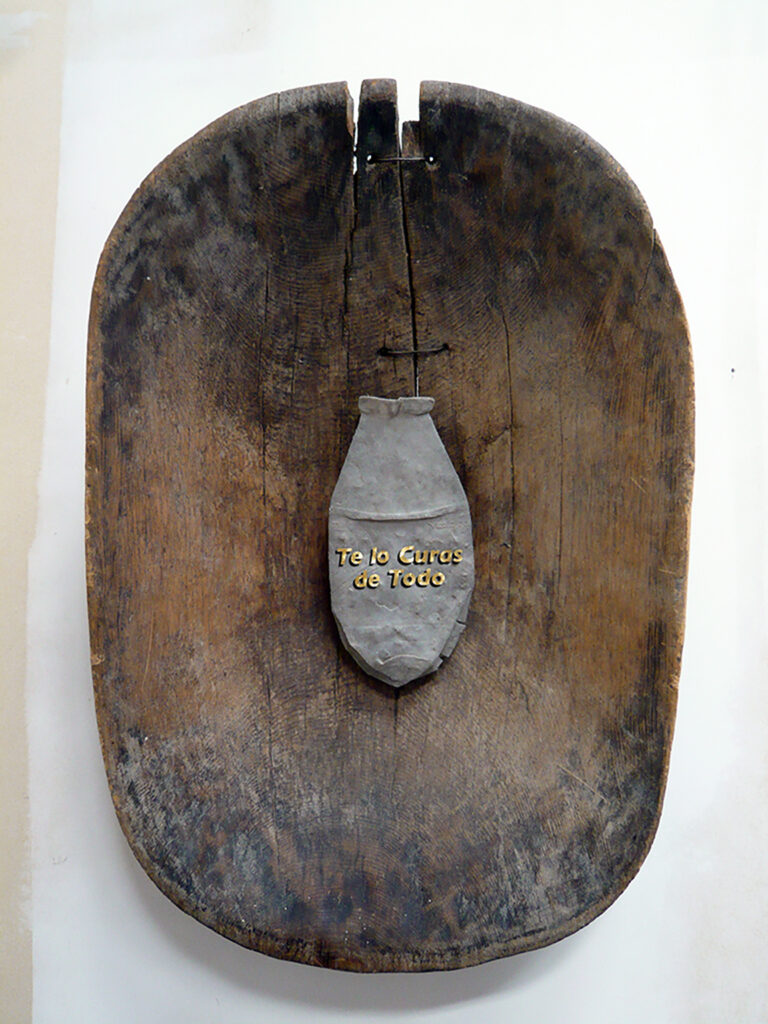
Ron Cooper 12. Te Lo Curas
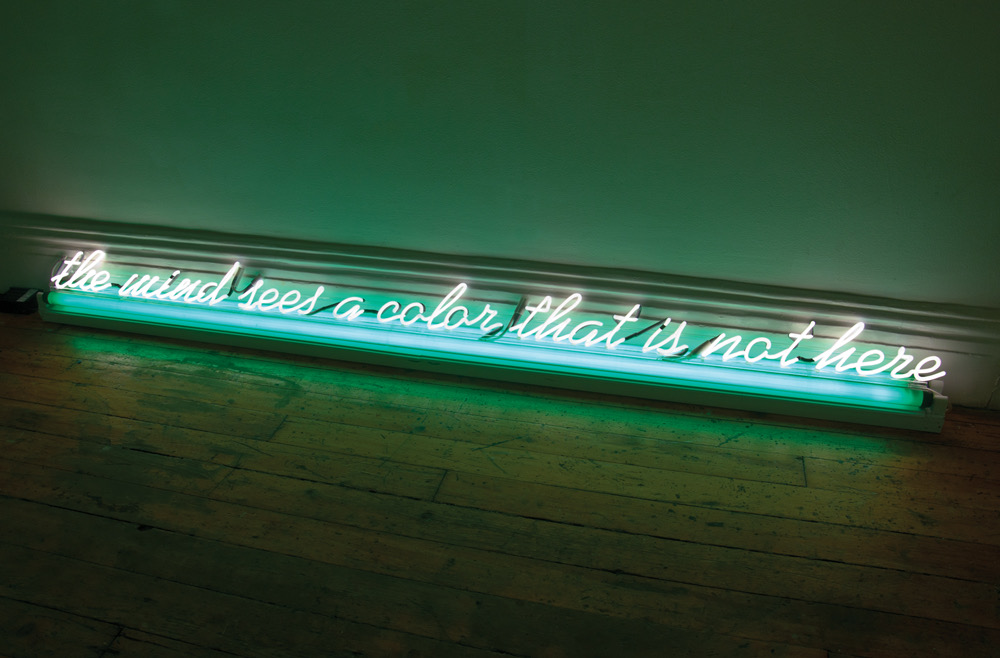
Ron Cooper 6. mind sees a color
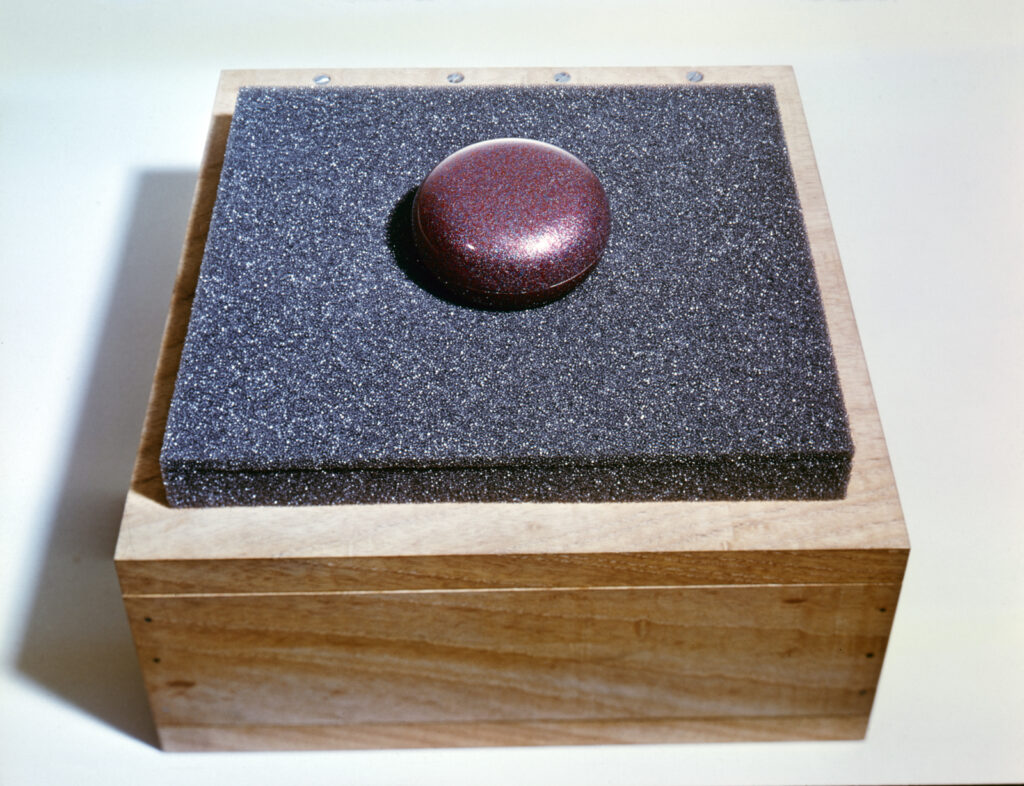
Ron-Cooper-1.-red-yoyo